 EN
EN


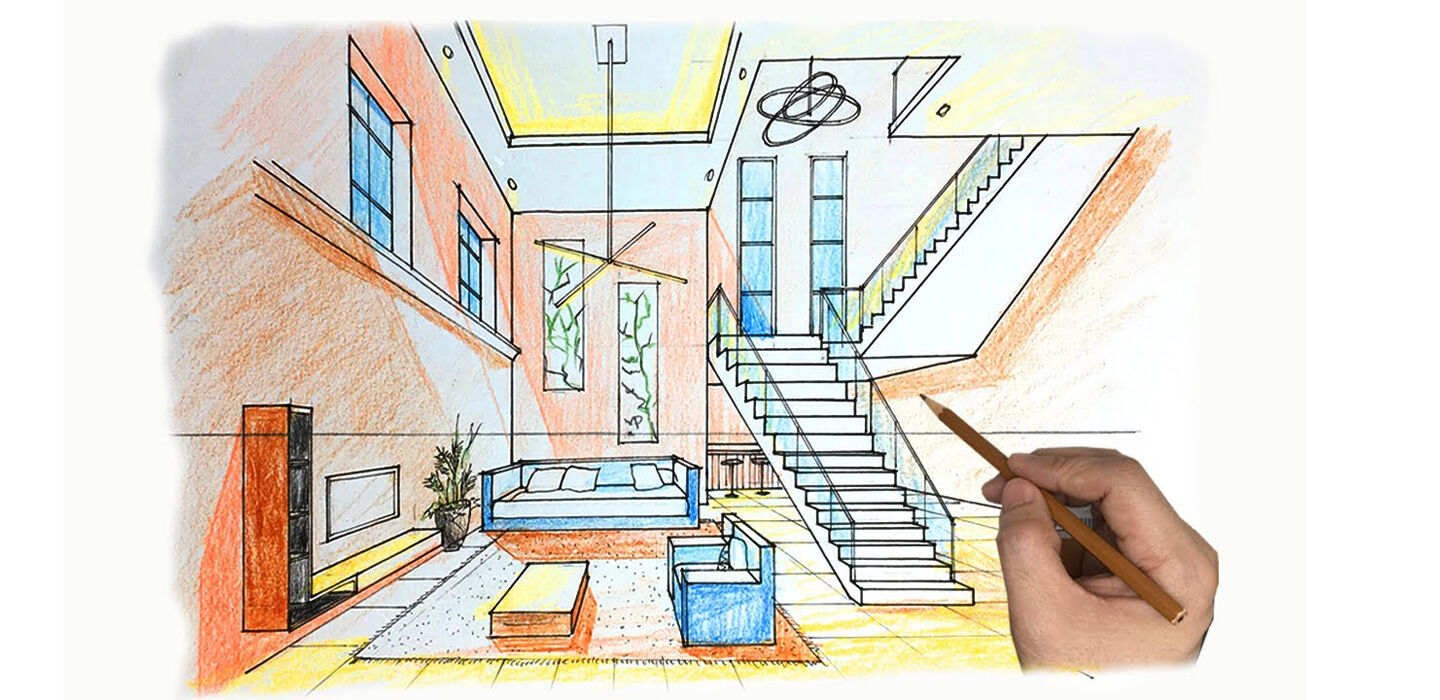
A staircase is more than a functional link between floors—it’s a design statement that shapes your home’s ambiance, optimizes space, and impacts safety. Building, renovating, or upgrading a metal staircase can feel daunting, but this guide simplifies key considerations: space, type, metal materials, building codes, and current trends to help you choose a balance of style, function, and value.
Step 1: Assess Your Space & Layout
Start by working with your space: measure footprint (horizontal area) and headroom (minimum 6’8” vertically in most regions). Here’s how space shapes your choice:
-
Tight Spaces: Metal spiral (4–6 sq. ft. footprint) or winder stairs are ideal for saving space. They work best for secondary use (e.g., lofts) since they’re less safe for kids, elders, or daily high-traffic areas.
-
Open Spaces: Metal straight, L-shaped, or U-shaped stairs thrive here. Straight metal stairs are easy to install and maintain, with under-stair space that can be repurposed for storage. L/U-shaped metal options add visual appeal and safety via a resting landing.
-
Open Floor Plans: Floating metal stairs (wall-cantilevered) offer a sleek, modern look—they rely on sturdy steel beams for support and require professional engineering to ensure structural integrity.
Step 2: Choose the Right Staircase Type
Each type of metal staircase offers unique advantages, drawbacks, and ideal applications. Below is a breakdown of core styles, followed by detailed specs for curved, floating, L/U-shaped, and straight metal staircases to help you align with your space, lifestyle, and design objectives:
|
Type
|
Best For
|
Pros
|
Cons
|
Avg. Cost (USD)
|
|
Straight
|
Traditional homes, hallways
|
Easy to install and maintain (ideal for metal builds), with under-stair storage potential
|
Needs more linear space
|
$1,800–$8,000
|
|
L/U-Shaped
|
Medium homes, corners
|
Space-efficient, safer with a landing, and well-suited for metal fabrication
|
Complex installation
|
$4,000–$15,000
|
|
Spiral
|
Lofts, small spaces
|
Minimal footprint, unique metal aesthetic that complements modern/industrial spaces
|
Furniture-moving hassle, unsafe for kids/elders
|
$1,500–$20,000
|
|
Floating
|
Modern homes, open plans
|
Sleek metal profile, enhances light flow in open interiors
|
High cost, pro engineering needed
|
$10,000–$30,000+
|
|
Curved
|
Luxury homes, foyers
|
Statement piece, smooth navigation
|
Most expensive, custom-only
|
$15,000–$80,000+
|
Metal Curved Staircase Details
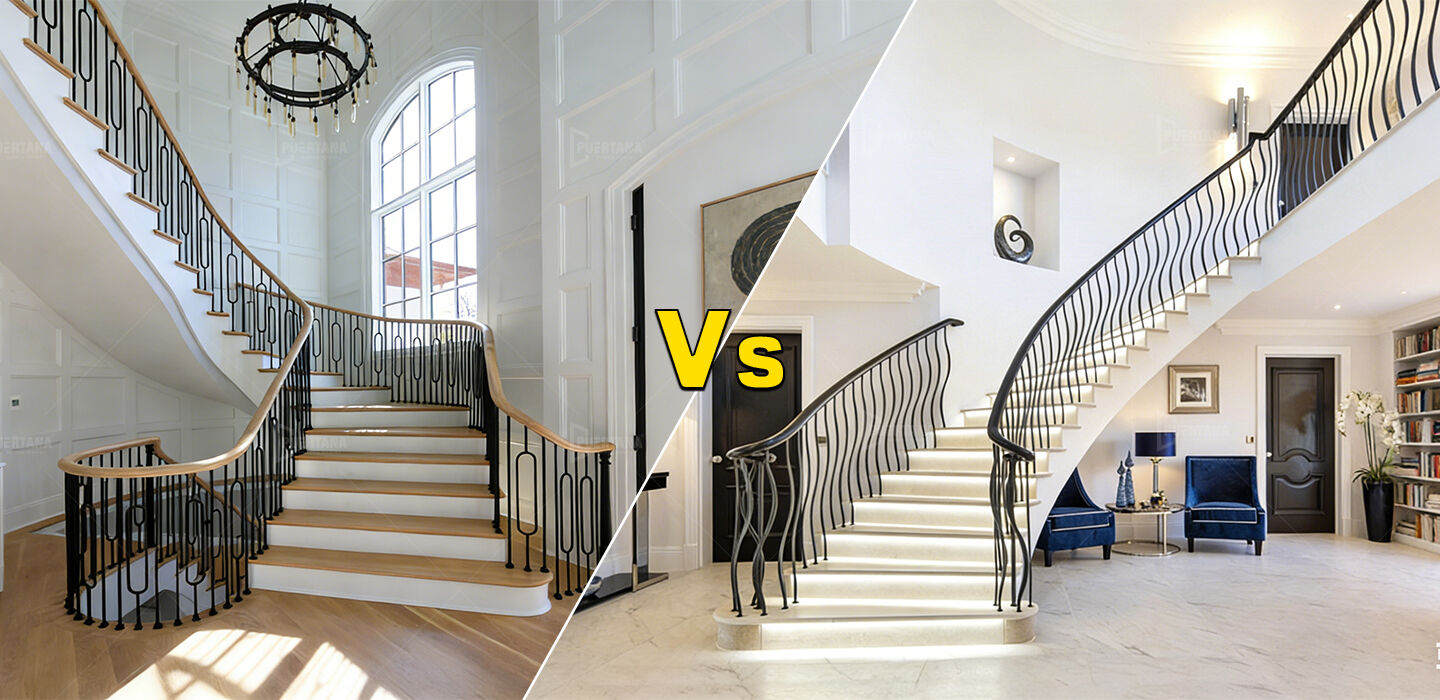
Metal curved staircases come in several customizable types based on shape and structural design, including spiral (tight, central column), helical (broader, open curve), and elliptical (oval, complex curvature). They are typically fabricated from durable materials like steel or stainless steel, and often feature open-frame, stringer-based, or cantilevered designs for modern aesthetic appeal.
Key Types of Metal Curved Staircases
-
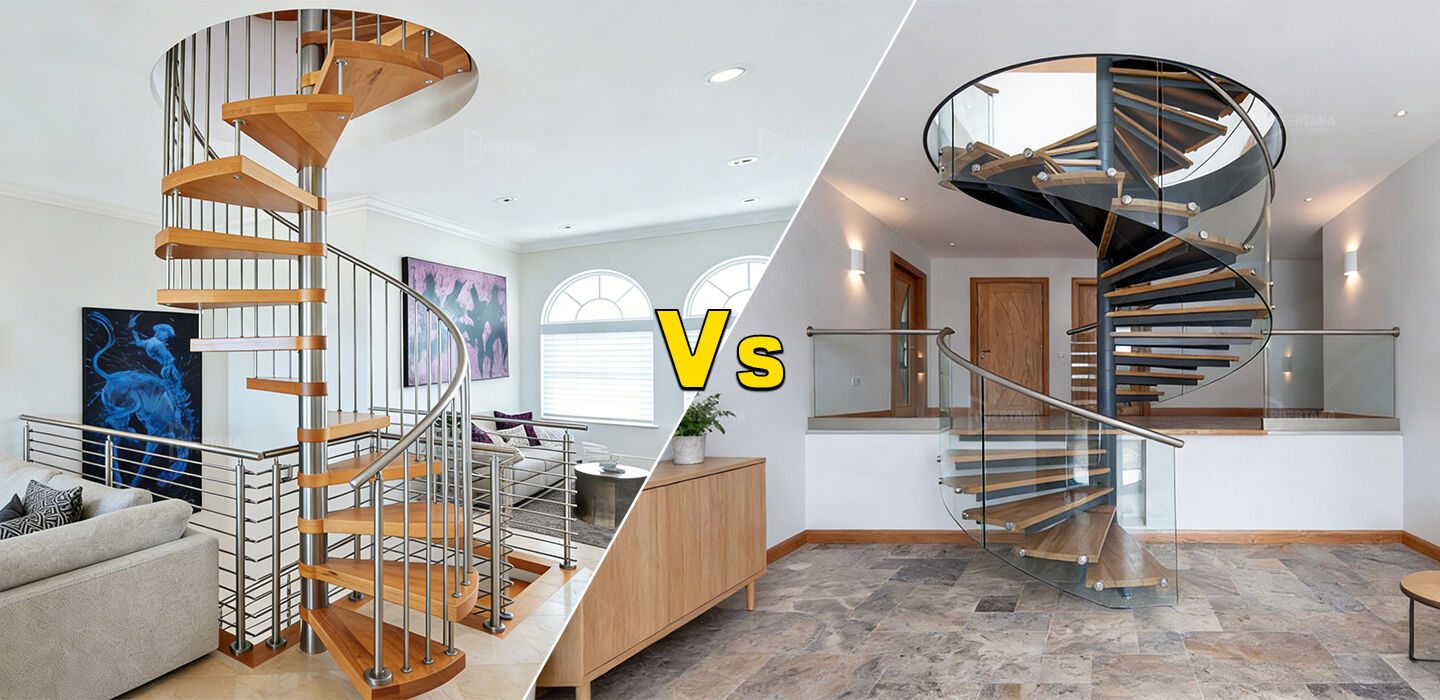
Spiral Staircases: Defined by a continuous, tight helix shape around a central column. Ideal for space-saving, available in steel or stainless steel, with pre-assembled or kit options.
-
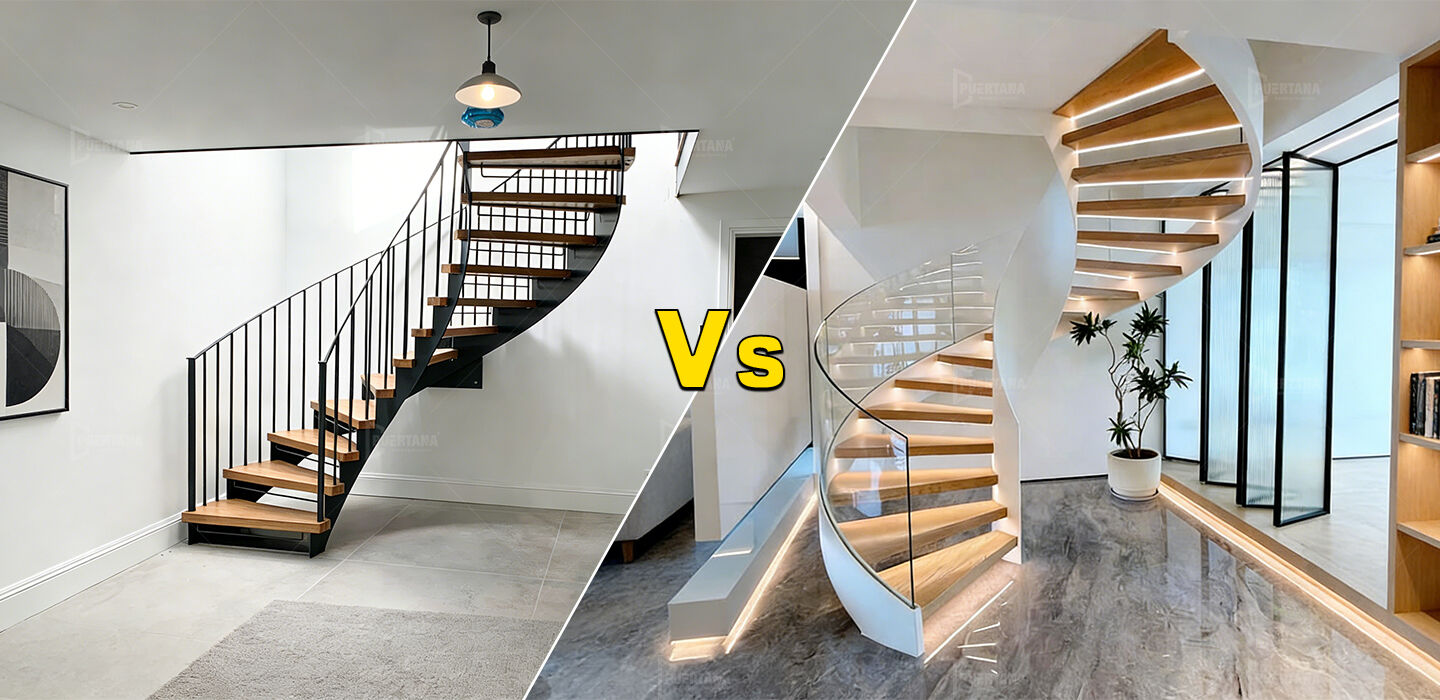
Helical Staircases: Similar to spirals but wider, more open, and without a central column, creating a grand, sweeping design.
-
Elliptical Staircases: Feature a complex, ever-changing curved shape based on an oval path, often used for high-end, custom architectural designs.
Stringer-based Systems
-
Mono Stringer: A single central support beam, often used in floating, curved designs.
-
Double Stringer/Double Tube: Two stringers for added strength, often featuring saw-tooth designs.
-
Cantilevered: Treads attached directly to the wall, appearing to float in a curve.
-
Modular/Kit Stairs: Standardized, bolted assembly kits in steel, economical for interior/exterior use, especially 90-degree or 180-degree turns.
Materials and Finishes
-
Steel/Carbon Steel: Highly durable, used for heavy-duty structural integrity.
-
Galvanized Steel: Hot-dipped for maximum rust resistance, ideal for outdoor environments.
-
Stainless Steel: Offers a sleek, modern, high-end finish.
-
Powder-Coated: Adds corrosion resistance and custom color options to steel, common on decorative spindles and handrails.
Tread Options
-
Metal Diamond Plate: Provides maximum slip resistance for industrial or heavy-use areas.
-
Open Riser: Paired with metal to create a modern, open, airy look.
Metal Floating Staircase Details
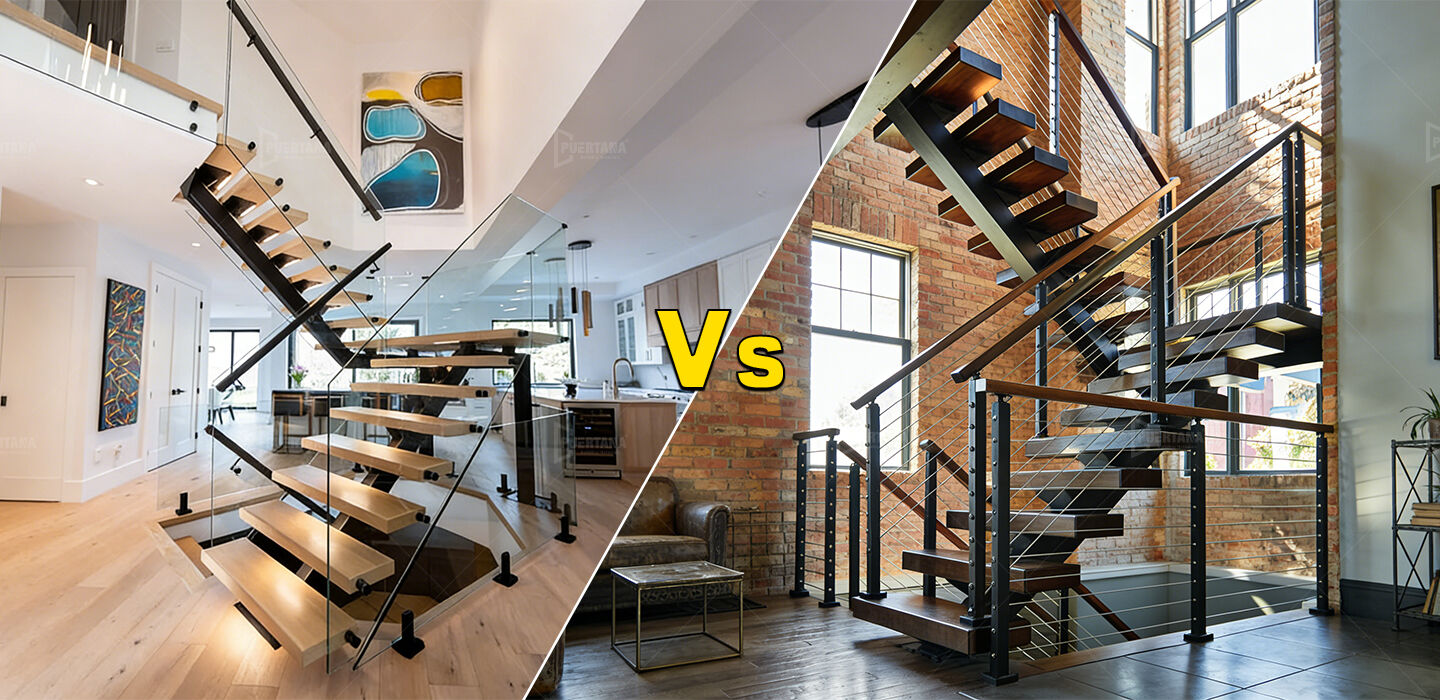
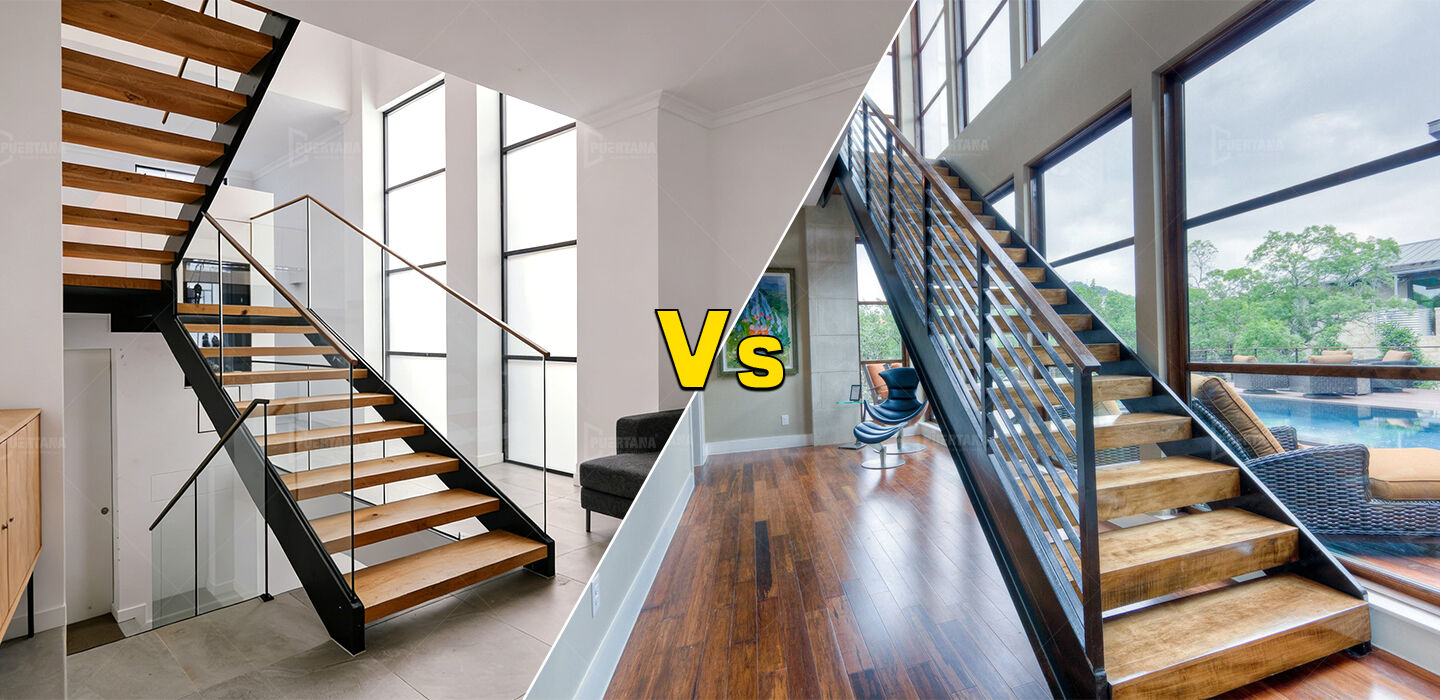
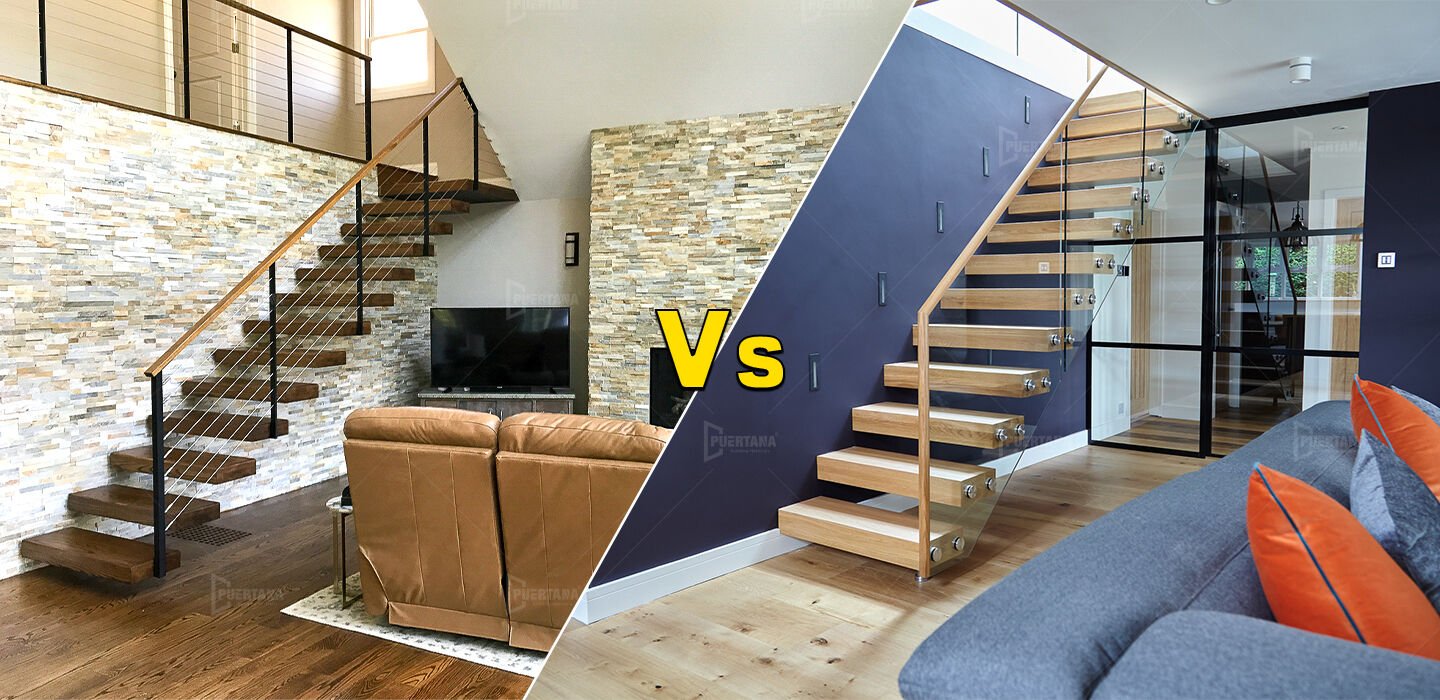
Metal floating staircases primarily consist of structural stringer types, including mono-stringer (single beam), dual-stringer (two beams), and cantilevered (hidden wall support) designs, often made of steel. They offer versatile layouts like straight, L-shaped, U-shaped, spiral, and curved designs, providing a minimalist, open-concept look suitable for modern residential and commercial spaces.
Common Types of Metal Floating Staircases
-
Mono Stringer: Features a single steel stringer, often centrally located, providing a minimalistic and open feel.
-
Double Stringer: Uses two steel stringers, one on each side of the tread, offering greater stability and a more traditional, yet still open, look.
-
Cantilevered: The treads are secured to a hidden metal frame inside the wall, making them appear to float without visible support.
-
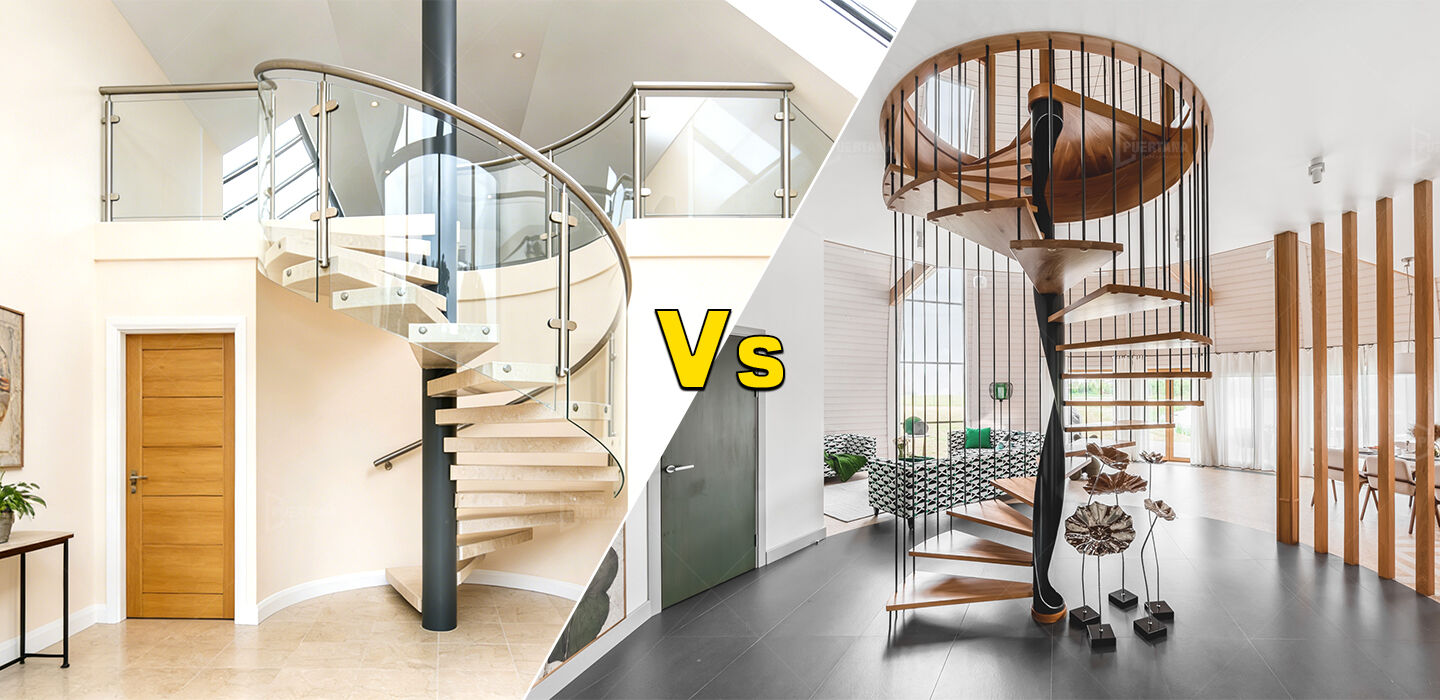
Spiral: A compact, circular design that is excellent for saving space while maintaining a modern, airy aesthetic.
-
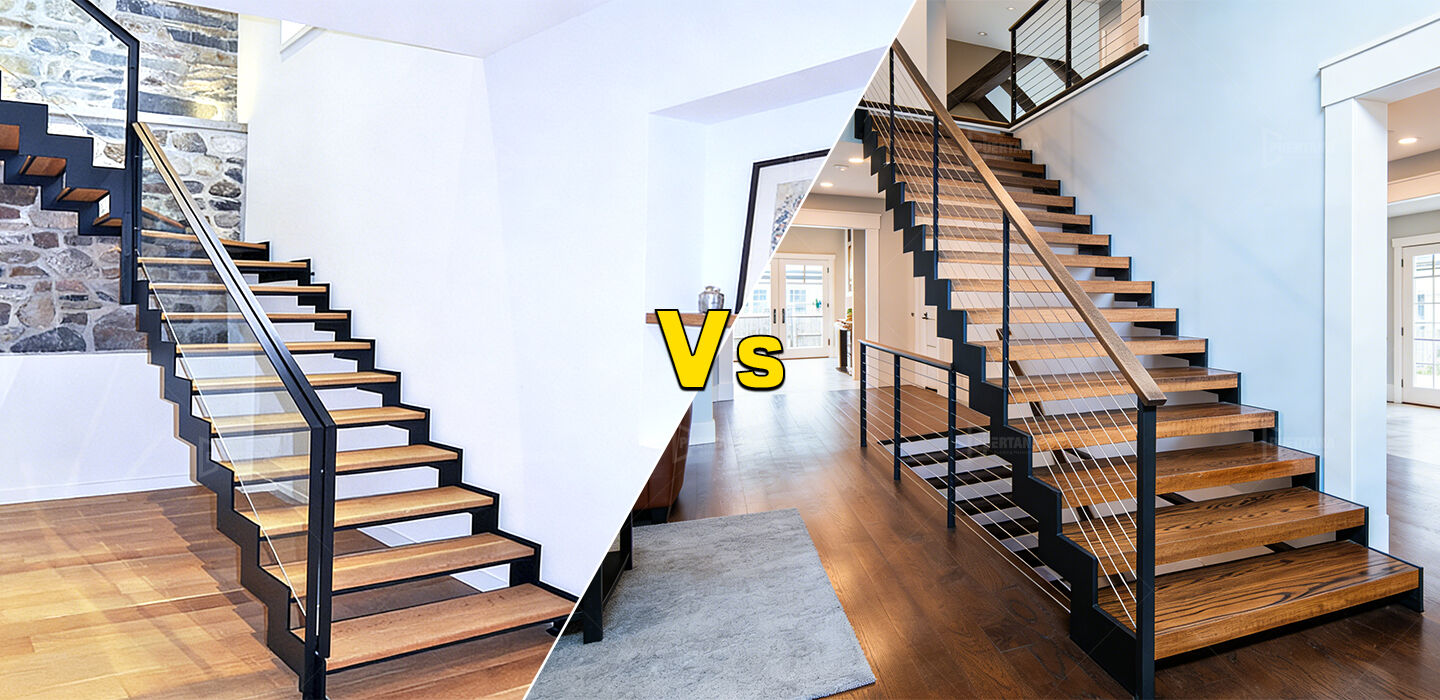
Zig-Zag / Saw Tooth: A double stringer design that follows the exact shape of the treads, offering a bold, angular, and dramatic appearance.
-
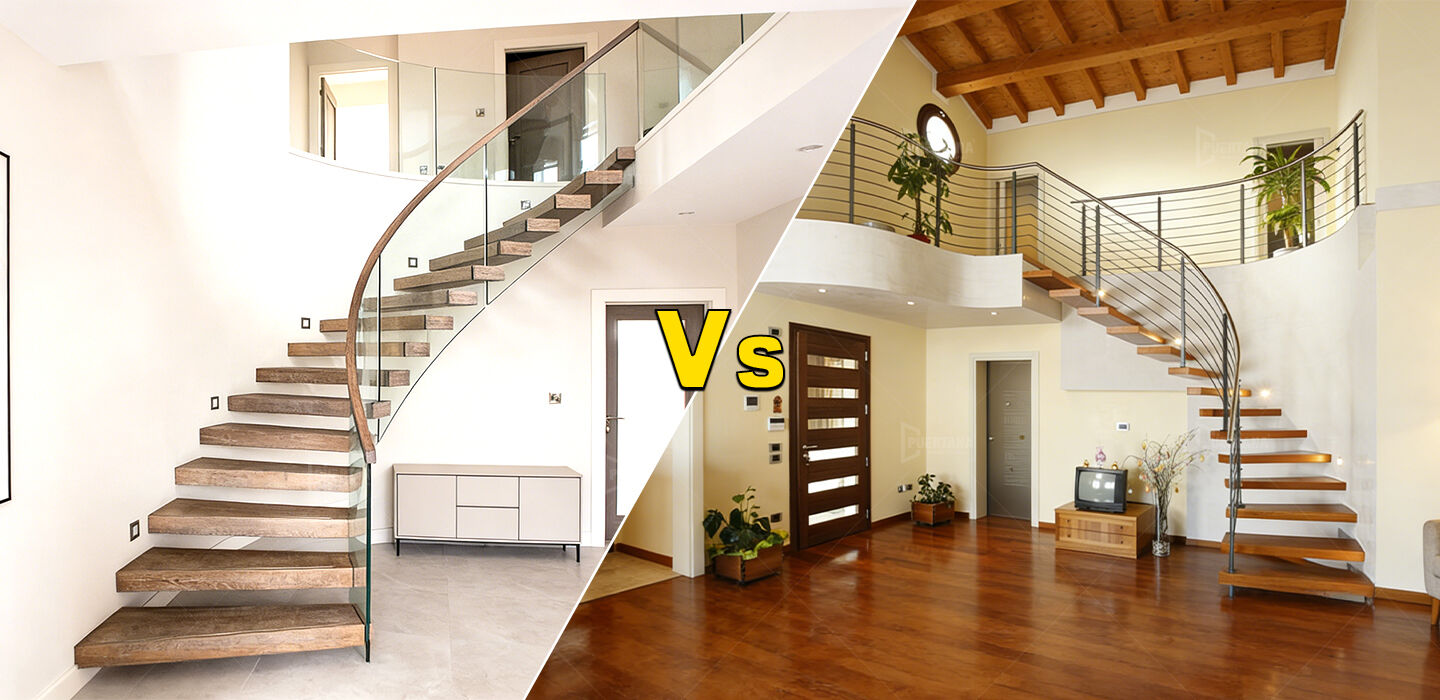
Curved: Similar to a spiral, these are larger and more open, often using curved metal stringers for a sleek statement look.
Key Components and Materials
-
Stringer Materials: Primarily structural steel, frequently painted, powder-coated, or fabricated using rectangular/square tubing or C-channels.
-
Treads: Steel treads (e.g., checkered plate, grating) for durability and alignment with metal-focused designs.
-
Railing: Cable railings are frequently paired with metal floating stairs to maximize visibility and openness, complementing the minimalist style.
These staircases can be customized for indoor or outdoor use, fitting into both new construction and remodels while maintaining their modern, floating aesthetic.
Step 3: Choose Metal Materials for Style & Durability
Materials directly influence style, durability, maintenance, and cost—metal stands out as a versatile, on-trend choice. Pairing different metal finishes or complementary hardware creates cohesive, modern designs. Here’s a detailed breakdown of metal options for your staircase:
Metal
Metal is the top choice for industrial, modern, and minimalist homes—and it’s a standout trend for staircases. Wrought iron (black 8mm round balusters lead current trends) offers exceptional durability and low maintenance; steer clear of outdated scrollwork or knuckle details for clean, contemporary lines. Steel serves as the backbone of floating and curved metal stairs, providing unmatched strength, while aluminum is ideal for spiral and outdoor stairs due to its lightweight, corrosion-resistant nature. Metal stairs can be customized with matte or powder-coated finishes (popular choices) to elevate modern appeal, and they pair seamlessly with metal panels or cable railings for a refined look.
Step 4: Prioritize Safety & Building Codes
Safety comes first. Follow local codes and design for your household:
-
Codes: Adhere to standards for tread depth (minimum 10”), riser height (7–7.5”), handrail height (34–38”), baluster spacing (maximum 4”), and landing requirements. Hire a licensed professional with metal staircase expertise to ensure code compliance.
-
Household Needs: For kids/elders, choose metal L/U-shaped stairs with non-slip metal treads (textured or coated) and dual metal handrails for added stability. Avoid spiral/winder metal stairs as main traffic paths.
-
Lighting: Add under-tread LEDs (a popular trend) to eliminate shadows and prevent falls.
Step 5: Factor in Budget & Maintenance
Budget and maintenance go hand-in-hand for metal staircases. Here’s how to prioritize based on your budget:
-
Budget: Straight/modular spiral stairs with metal components ($1,500–$8,000), low maintenance (weekly cleaning, occasional metal polish).
-
Mid-Range: Metal L/U-shaped or basic floating stairs ($4,000–$30,000), needs regular railing inspections and hardware checks.
-
Luxury: Custom curved or floating metal stairs ($15k+), requires annual structural checks and finish touch-ups.
Staircase Trends to Consider
Metal staircase trends blend style and function—here’s what to consider for your project:
-
Minimalist Metal Designs: Black 8mm metal balusters with matte finishes—skip wood or glass accents for pure modernity.
-
Open Risers: Metal stairs with open risers boost light and openness in modern homes, complementing curved, floating, or L/U-shaped designs.
-
Under-Stair Utilization: Repurpose unused under-stair space of your metal staircase into shelves, pet nooks, home offices, or pantries for added functionality.
-
Matte Finishes: Opt for matte black or gunmetal metal to replace glossy surfaces—perfect for an understated, modern aesthetic.
Final Tips for a Successful Purchase
-
Hire Metal Specialists: Avoid DIY for custom or floating metal stairs. Work with licensed contractors and engineers experienced in metal staircase fabrication.
-
Test Metal Samples: Walk on metal stair samples (many showrooms offer these) to check tread comfort—texture and size matter for daily use with metal stairs.
-
Resale Value: Stick to neutral metal designs (straight/L-shaped, matte black metal) for broad buyer appeal.
A well-crafted metal staircase enhances your home’s style and functionality for years. Begin by assessing your space, prioritize safety in metal staircase design, and embrace popular metal trends—you’ll end up with a practical, eye-catching centerpiece.