
 EN
EN


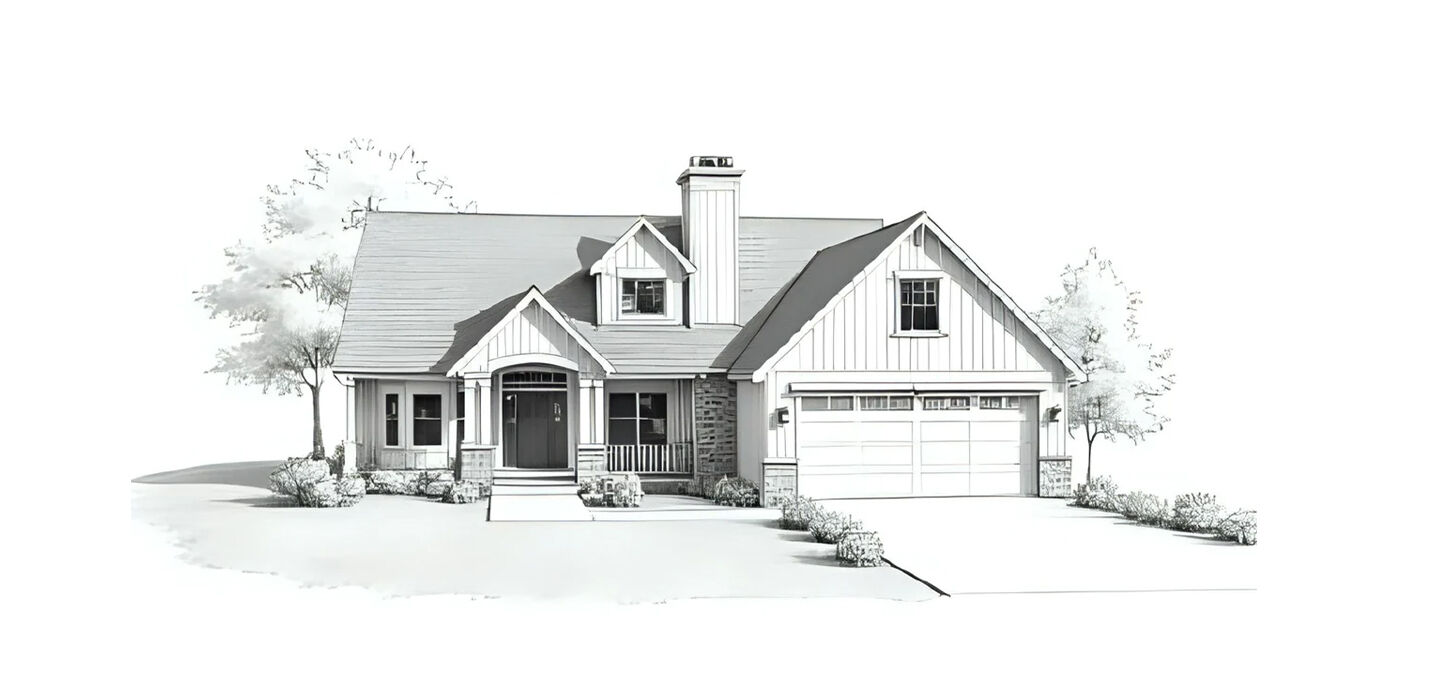
Your garage door is more than just a functional entry point—it’s a key element of your home’s curb appeal, security, and energy efficiency. With countless styles, materials, and features on the market, choosing the right garage door can feel daunting. This guide simplifies everything you need to know to select a garage door that fits your budget, complements your home design, and meets your practical needs, focusing on our available materials and styles.
1. Start with Core Considerations
Before diving into styles and materials, clarify your priorities to narrow down options:
a. Climate Adaptability
Local weather dictates critical garage door features. For cold climates, prioritize insulated garage doors to reduce heat loss and shield vehicles/items from freezing temperatures. In hot, sunny regions, opt for garage door materials that resist warping and fading. Coastal areas require rust-resistant hardware and corrosion-proof materials (e.g., aluminum) to combat salt air damage.
b. Security Needs
Garage doors are a common entry point for intruders, so prioritize sturdy construction, reinforced panels, and reliable locking mechanisms. Pair your garage door with a smart opener featuring rolling code technology to block unauthorized access.
c. Budget
Garage door prices vary drastically—budget-friendly steel options range from $500–$1,500, while high-end custom wood garage doors can exceed $3,000. When setting your budget, factor in installation costs ($300–$800 on average) and long-term maintenance expenses.
d. Home Aesthetic
Your garage door should complement your home’s architecture. Modern homes pair seamlessly with sleek, minimalist garage doors, while traditional or craftsman homes shine with wood or carriage-style doors. Match the garage door’s color, panel design, and hardware to your siding, roofing, and front door for a cohesive look.
2. Garage Door Material Options: Pros & Cons
Material is the top factor influencing a garage door’s durability, maintenance needs, and cost. Here’s a breakdown of the most popular garage door materials we offer:
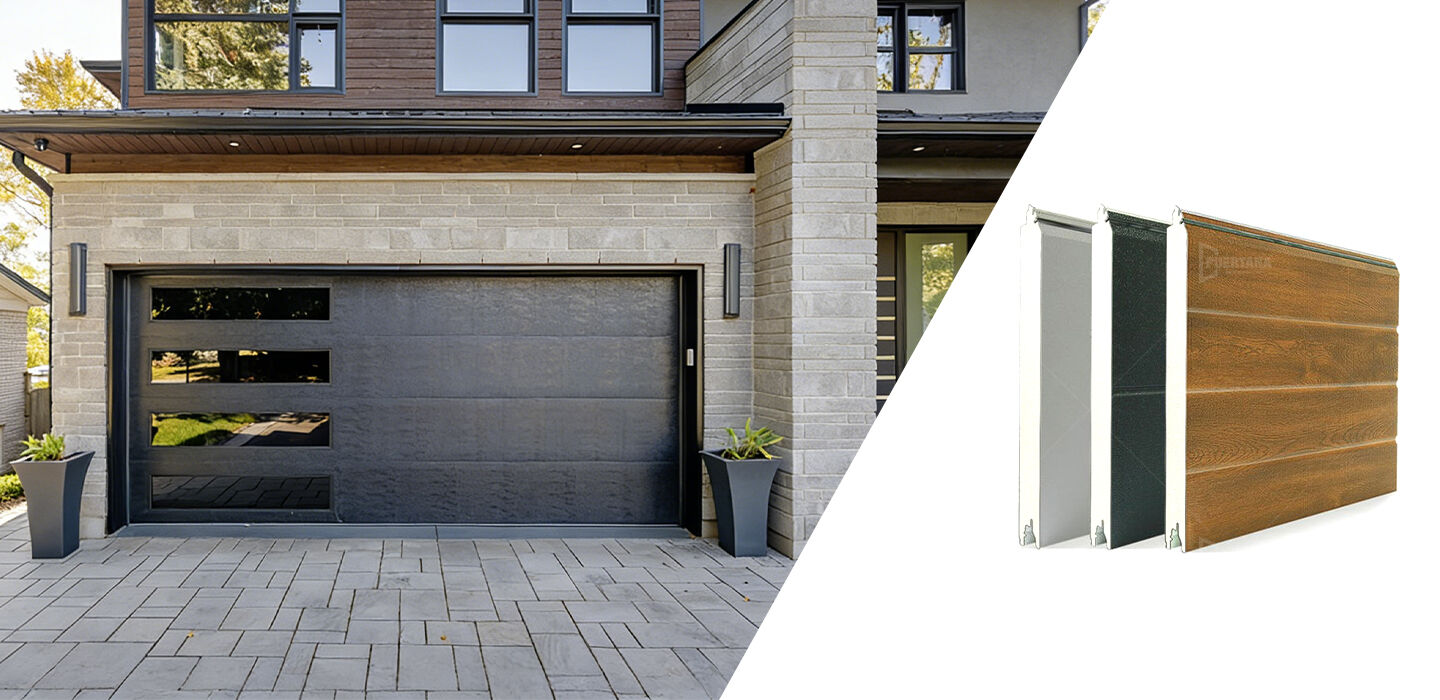
a. Steel
Best for: Budget shoppers, low-maintenance households, and those prioritizing durability.
Pros: Affordable, dent-resistant (when reinforced), easy to clean, and available in insulated or non-insulated designs. Modern steel garage doors can mimic wood grain via vinyl overlays, offering a high-end look without the upkeep.
Cons: Prone to rust if the finish is damaged, especially in coastal areas. Thin steel garage doors may dent easily from heavy impacts.
Maintenance: Annual cleaning with soap and water; touch up scratches with paint or kits to prevent rust.
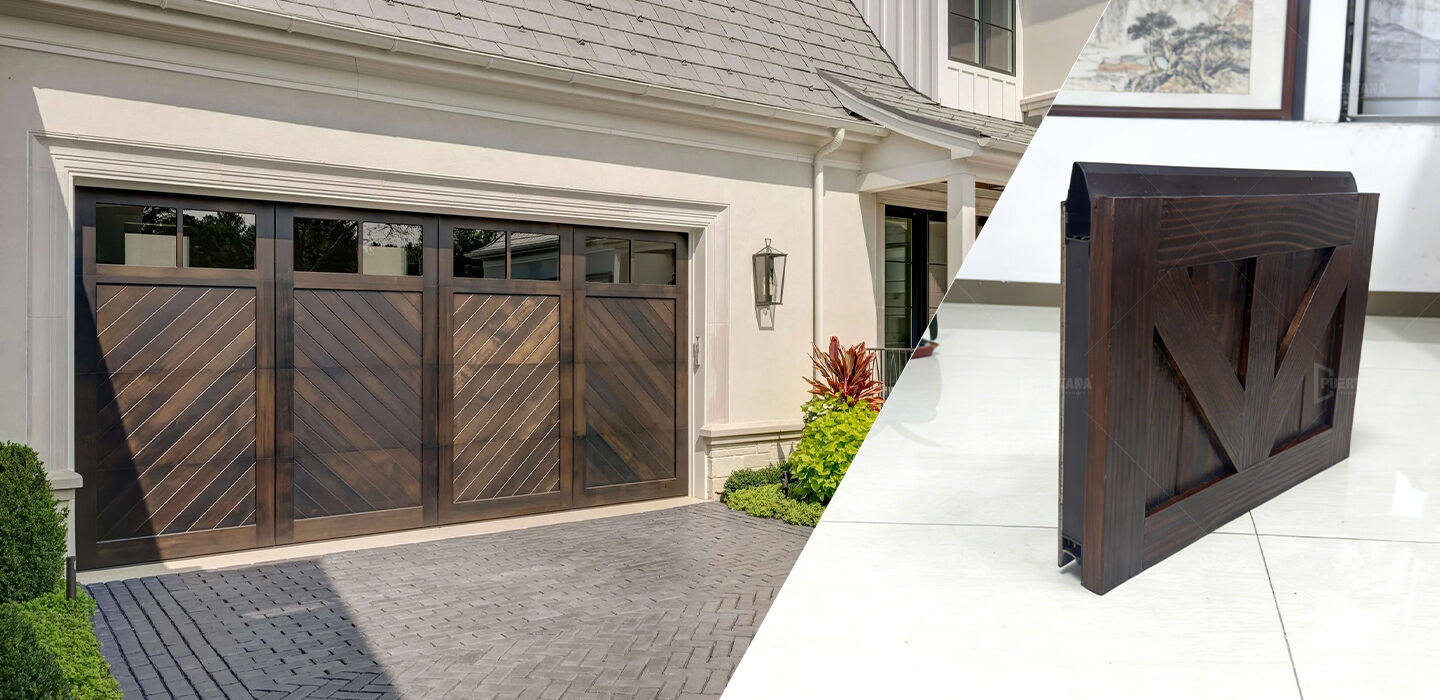
b. Wood
Best for: Curb appeal, customization, and traditional-style homes.
Pros: Timeless beauty, natural warmth, and full customizability (stainable, paintable, carvable). Ideal for craftsman, colonial, or farmhouse-style homes.
Cons: High maintenance and cost; vulnerable to rot, warping, and insect damage (especially in humid climates). Requires sealing/staining every 1–2 years.
Maintenance: Yearly inspections for cracks/rot; sand and refinish every 12–24 months to protect against moisture.
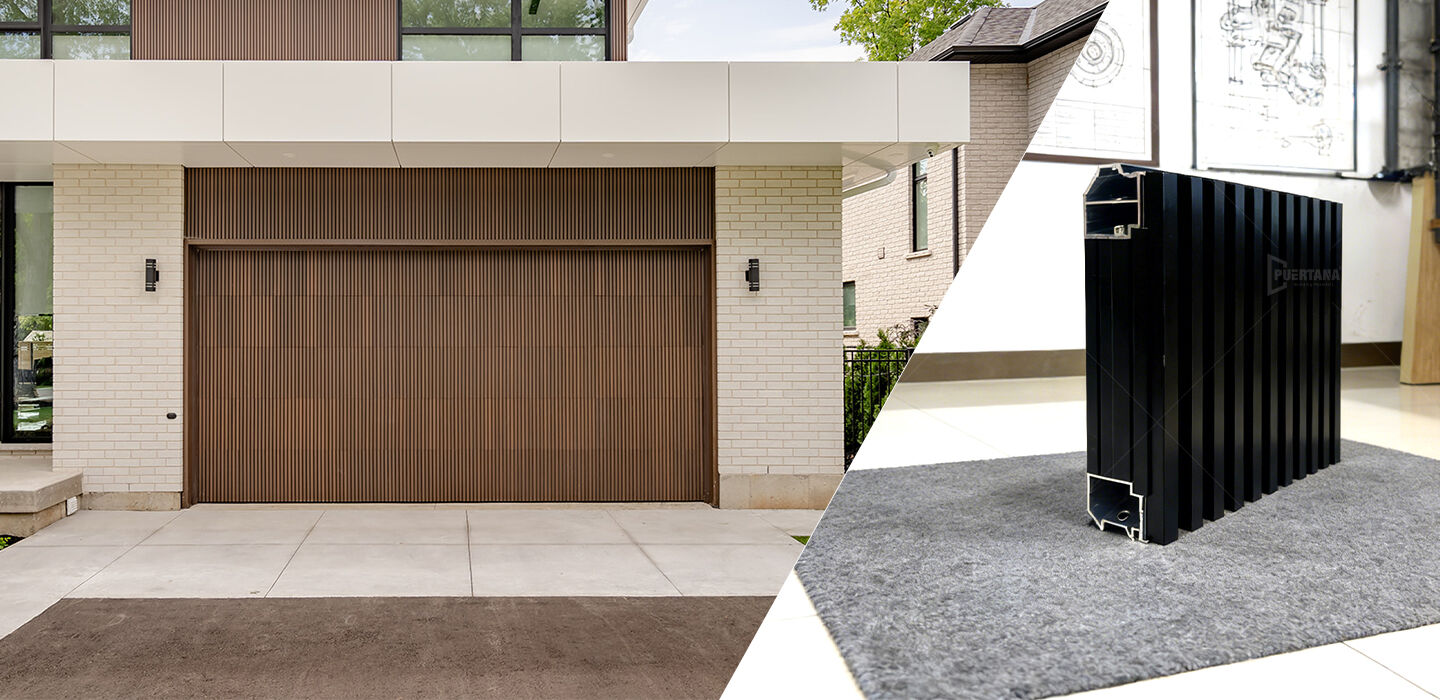
c. Aluminum
Best for: Coastal homes, contemporary designs, and lightweight garage door needs.
Pros: Rust-proof, lightweight (easy to operate), and available in sleek, modern styles. Can be painted or anodized for enhanced durability. A top choice for glass-integrated and frameless garage door designs, offering unbeatable modern aesthetic and light transmission.
Cons: Less insulation than steel or wood (may need add-ons). Prone to dents from heavy impacts.
Maintenance: Clean with mild detergent; periodically check for loose hardware.
3. Garage Door Styles: Match Your Home’s Vibe
Your garage door style should align seamlessly with your home’s architecture to elevate its overall look. Below are the most popular garage door designs we offer, each tailored to different aesthetic preferences and functional requirements, all available in our steel, wood, or aluminum materials—with aluminum sectional garage doors available in three curated sub-designs for modern home needs:
a. Sectional Garage Doors
The most common and versatile style for modern homes, sectional garage doors feature horizontal panels connected by hinges. They open upward, folding neatly along the garage ceiling—saving valuable space with no need for swing-out clearance. An ideal choice for attached garages and suit most home designs, with steel and wood options for classic appeal, and aluminum sectional garage doors offered in three premium sub-styles:
-
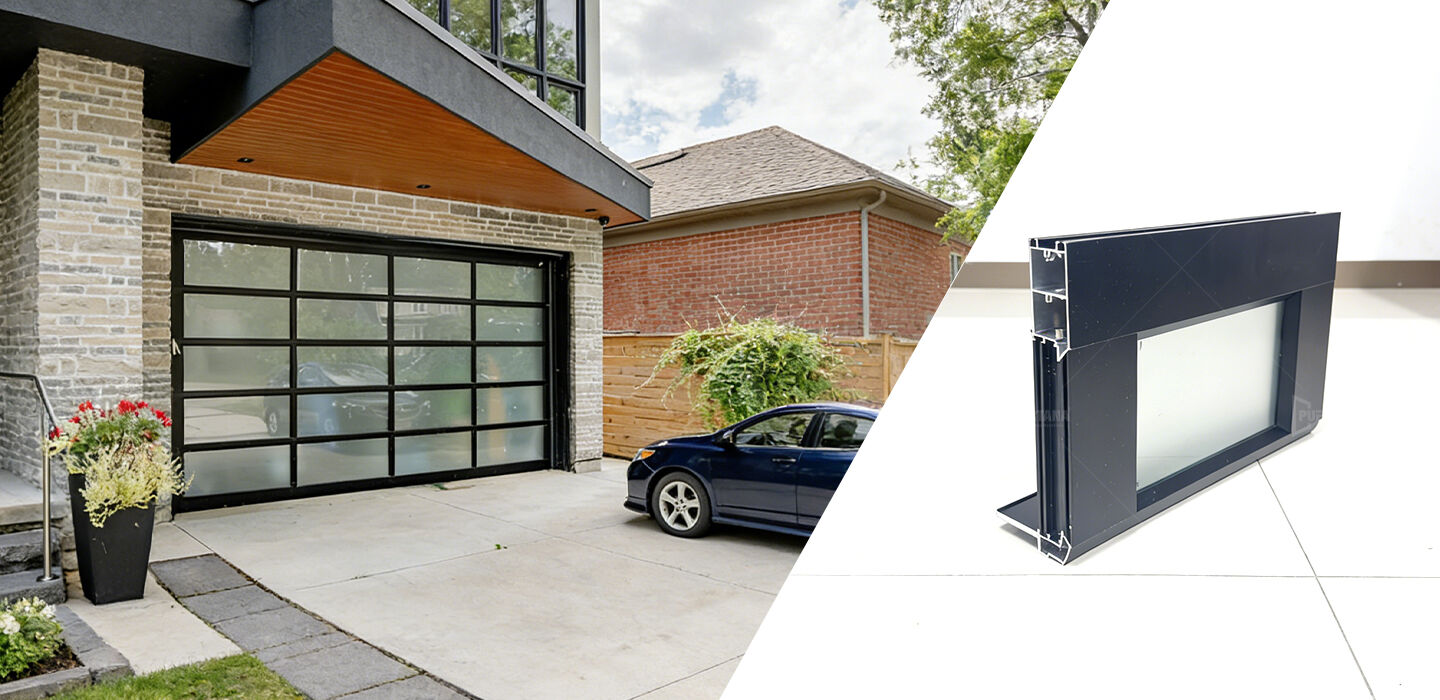
Aluminum Glass Garage Door: Framed aluminum construction with tempered glass panels, boasting exceptional natural light transmission and a sleek modern aesthetic—perfect for contemporary homes, glass facades, and living spaces adjacent to the garage.
-
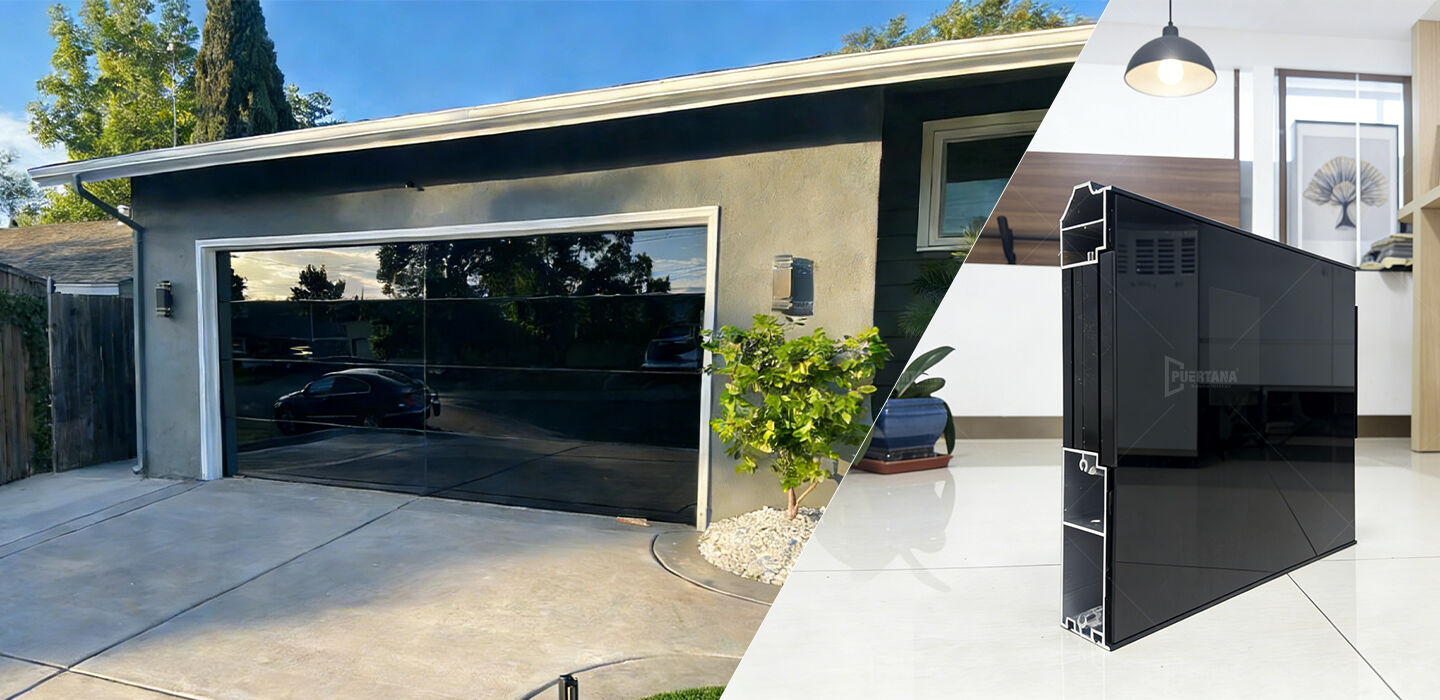
Frameless Glass Garage Door: Fully frameless tempered glass panels with aluminum hardware, delivering a minimalist, ultra-modern “floating” look. A statement choice for high-end contemporary and luxury homes, prioritizing unobstructed views and light.
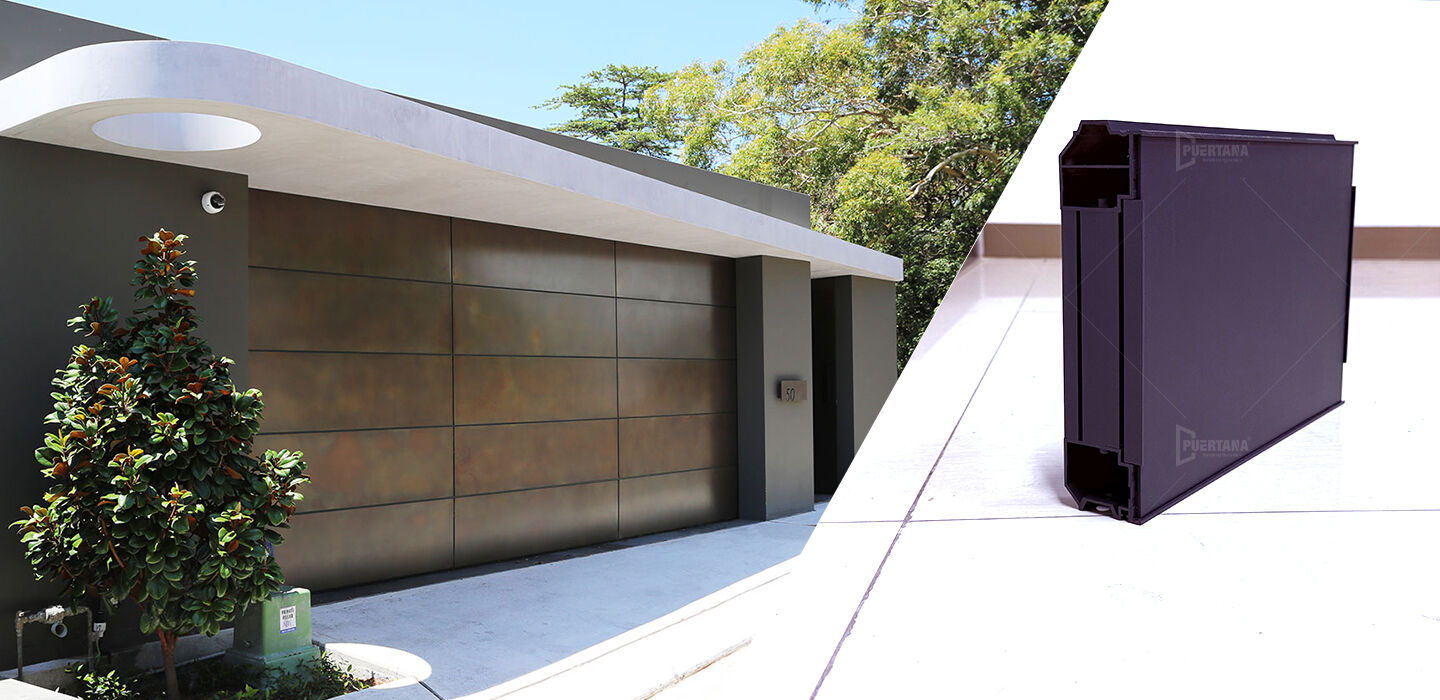
- Frameless Flush Aluminum Panel Garage Door: Solid aluminum panel construction with a frameless, flush finish—no visible trim or hardware for a seamless, monolithic look. Ideal for minimalist modern and industrial-style homes, offering a clean, uncluttered exterior profile.
b. Carriage House (Barn Style) Doors
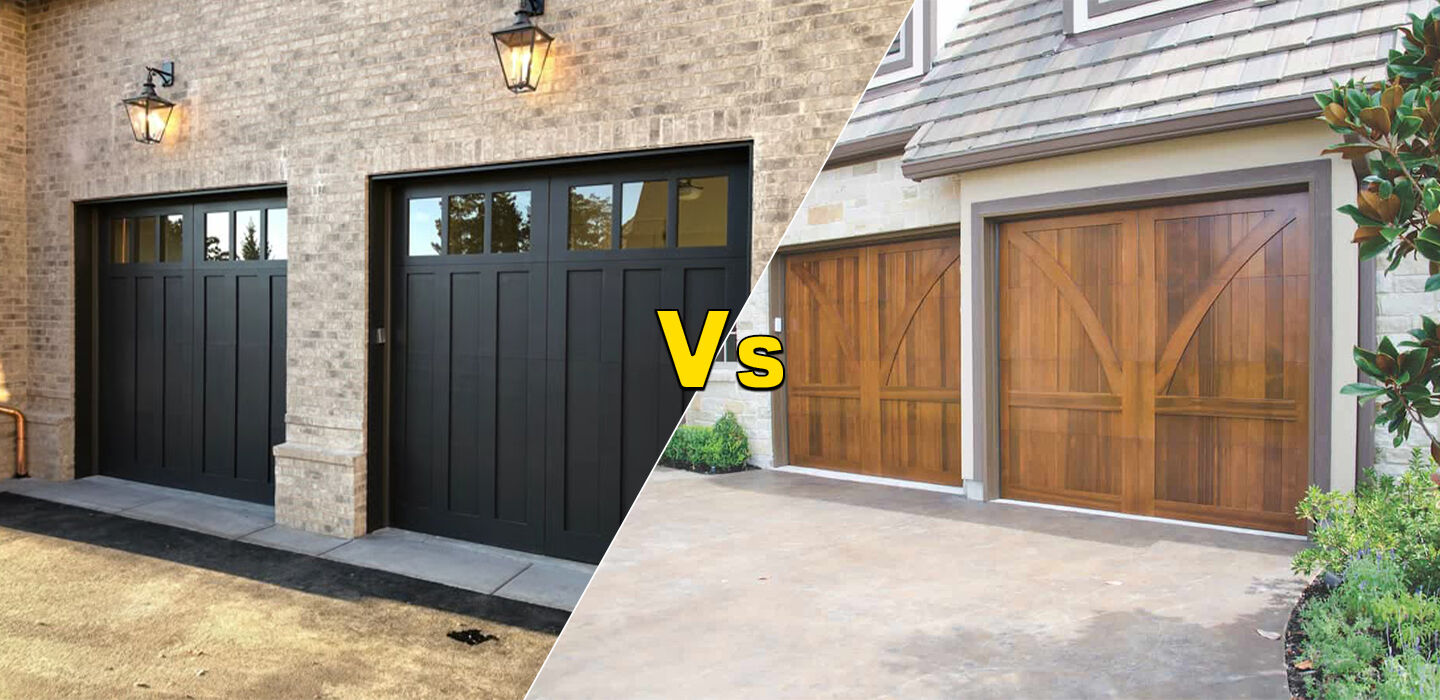
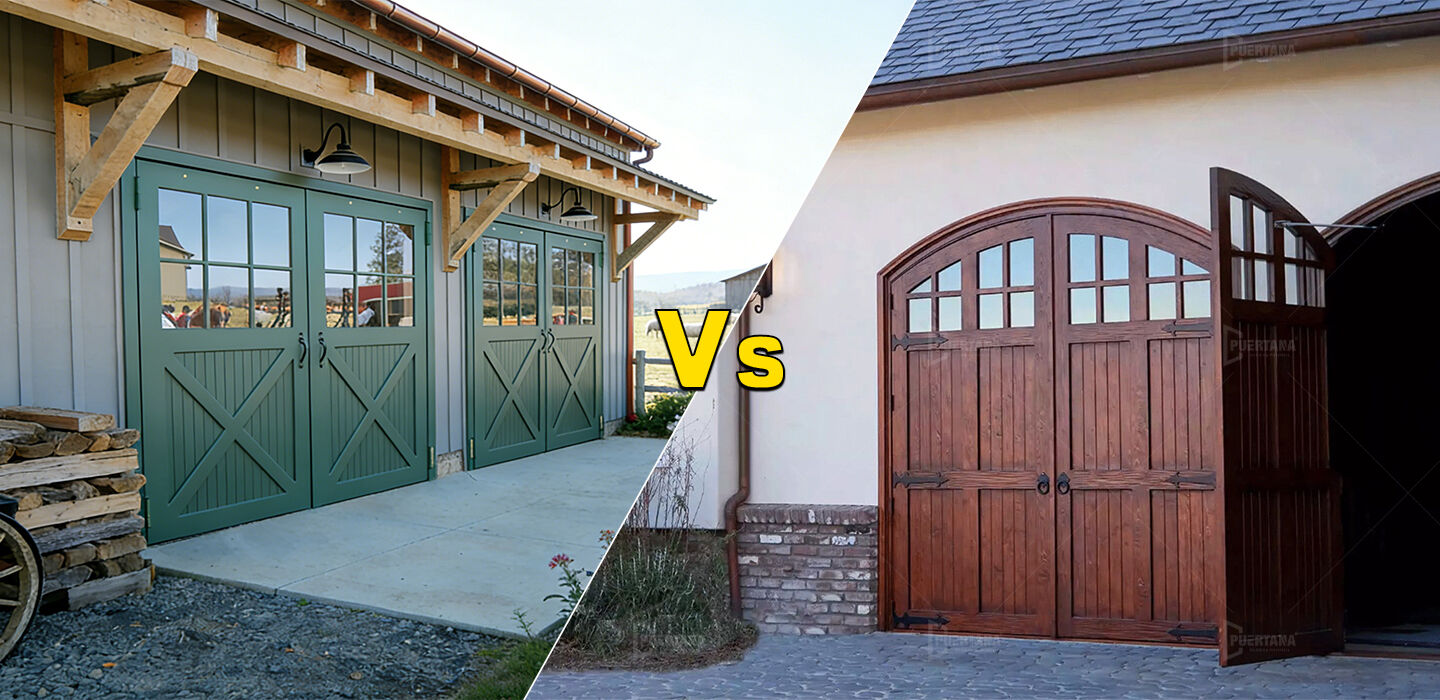
A trendy, timeless option for traditional, craftsman, or farmhouse homes, carriage house doors mimic the charm of vintage carriage entryways. They’re available in two operating styles: swinging outward like classic barn doors or opening upward (sectional design with carriage-style accents). Crafted from our wood, steel, or aluminum materials, they can be paired with decorative hardware (hinges, handles) to enhance their rustic or elegant appeal.
c. Side-Hinged Garage Doors
For a classic, old-world touch, side-hinged garage doors open outward like French doors—providing full, unobstructed access to the garage interior. Perfect for historic homes or garages used as workshops, studios, or storage spaces, they’re available in our wood, steel, or aluminum materials. Note that they require adequate clearance in front of the garage to operate smoothly.
d. Tilt Up Garage Doors
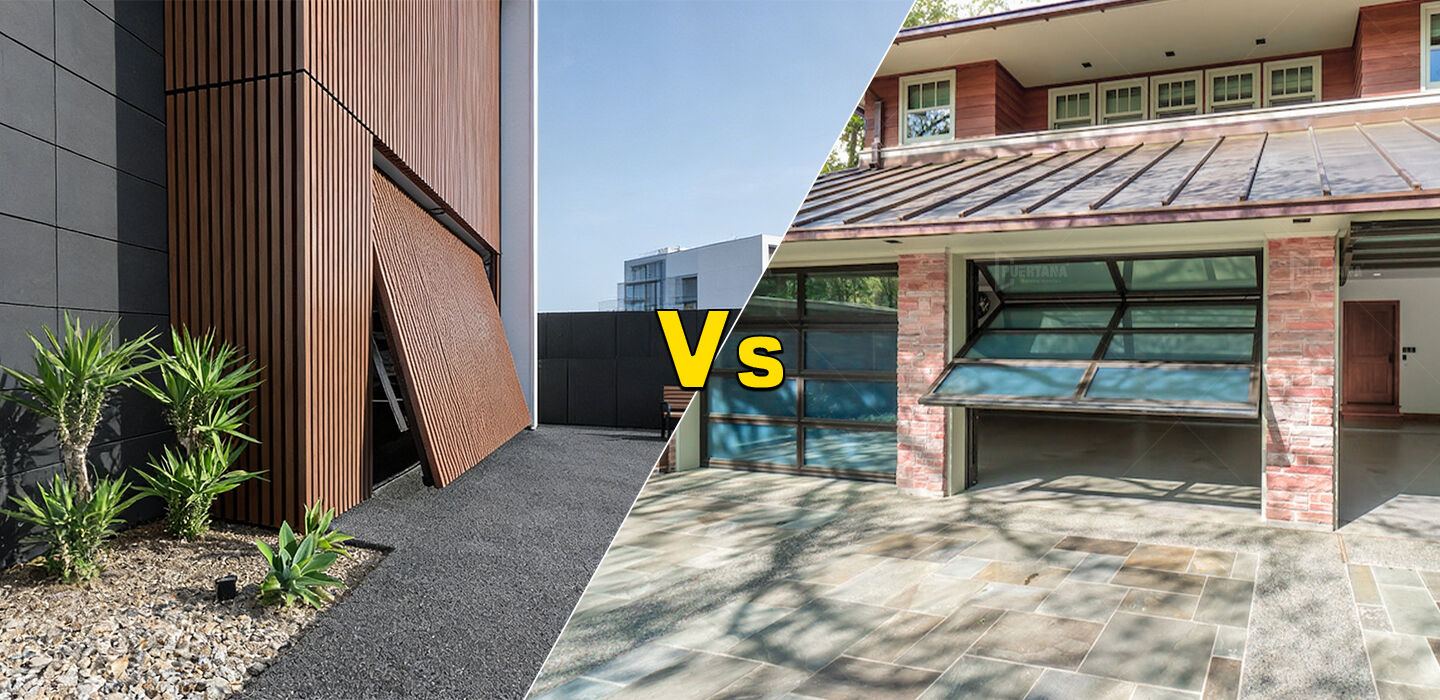
Also known as “one-piece tilt doors,” these operate as a single solid panel that tilts upward and rests parallel to the ceiling. A simple, cost-effective choice, they’re ideal for older homes, detached garages, or spaces with limited ceiling height. With fewer moving parts, they require less maintenance but do need front clearance to tilt outward before lifting. Their streamlined profile complements both traditional homes and modest modern properties, and they’re available in our full range of steel, wood, and aluminum materials.
e. Fold Up Garage Doors
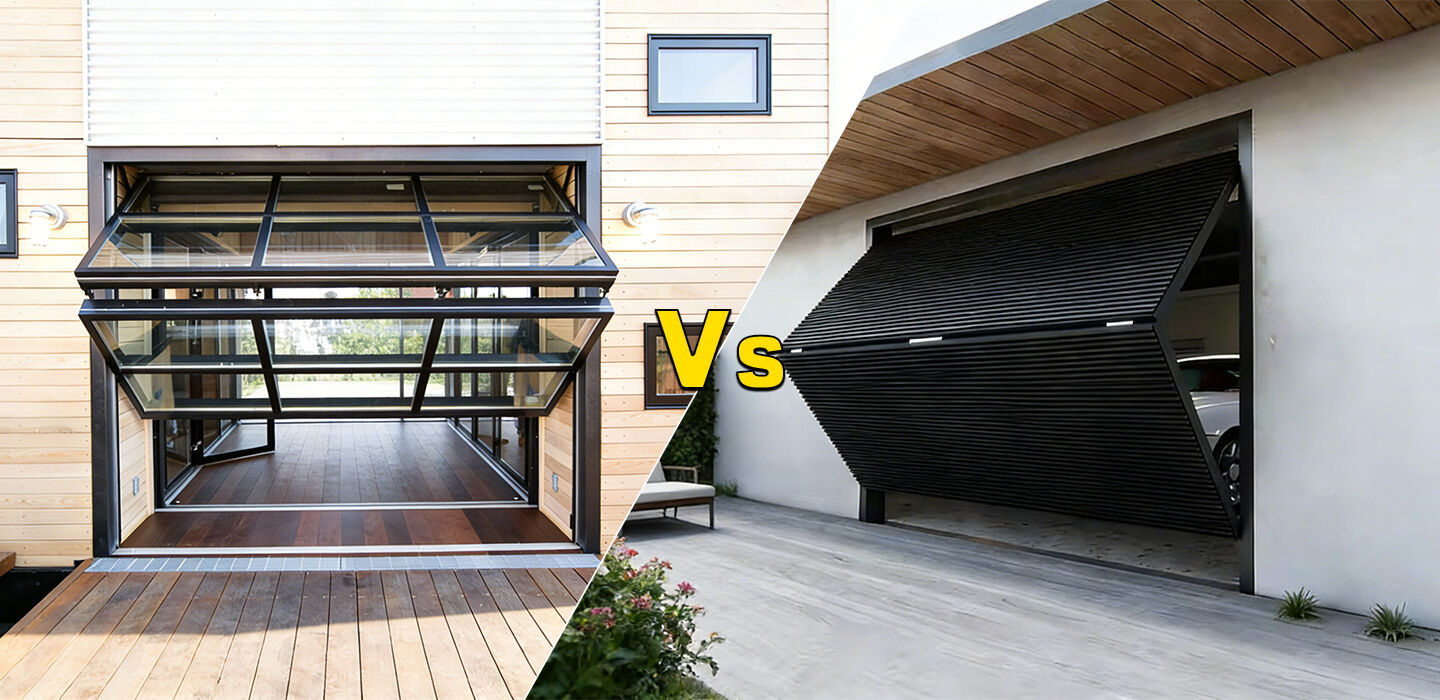
Fold up (or bi-fold) garage doors feature multiple hinged panels that fold into a compact stack—either inward or outward—when opened. They’re a standout space-saving option for garages with narrow driveways or limited ceiling space, as they require minimal clearance. Offering versatile operation (outward folding for full interior access, inward folding to keep panels contained), their sleek, contemporary design suits modern homes, workshops, and spaces where form and function are equally important. They’re crafted from our steel, wood, or aluminum materials to match your home’s vibe.
4. Insulation: Why It Matters
Insulated garage doors offer three core benefits: energy efficiency, noise reduction, and enhanced durability. For attached garages, insulation cuts heat loss (lowering utility bills) and minimizes noise transfer to living spaces. For detached garages used as workshops or storage, it protects items from extreme temperatures.
Look for the R-value (insulation effectiveness metric)—higher values mean better insulation. Aim for R-12 to R-18 in cold climates and R-6 to R-10 in mild areas. Insulated garage doors (especially our steel and wood options) also have thicker panels, boosting dent resistance and security.
5. Garage Door Openers: Key Features to Look For
A quality garage door opener ensures smooth, safe operation. Key features to consider:
- Motor Power: ½ HP works for most residential garage doors (up to 500 lbs). ¾ HP is better for heavy insulated doors or high ceilings.
- Drive Type: Chain-drive (affordable, durable but noisy), belt-drive (quiet, ideal for attached garages), screw-drive (low maintenance, great for extreme temps), or direct-drive (quietest, longest lifespan).
- Smart Features: Wi-Fi connectivity enables smartphone control, alerts, and smart home integration (Alexa, Google Home). Rolling code technology prevents hacking.
- Safety Features: Photoelectric sensors (stop the door if obstacles are detected) and auto-reverse (law-mandated) are non-negotiable. Battery backups are essential for power outages.
6. Installation & Maintenance Tips
Professional vs. DIY Installation
While DIY installation is possible for handy homeowners, garage doors are heavy (200–400 lbs) and require precise alignment for safe operation. Improper installation causes malfunctions, safety risks, or voided warranties. Most homeowners benefit from professional installers, who have the tools and expertise for a secure fit.
Long-Term Maintenance
Prolong your garage door’s lifespan with these simple maintenance tasks:
- Lubricate hinges, springs, and rollers every 6 months with silicone-based lubricant.
- Inspect torsion/extension springs for wear—broken springs are dangerous and require professional replacement.
- Annual weatherstripping checks—replace if cracked/worn to block drafts and moisture.
- Monthly tests of safety features (sensors, auto-reverse).
- Regular cleaning to remove dirt, debris, and salt (critical for coastal areas).
- For aluminum glass/frameless garage doors: Clean glass panels with glass cleaner (avoid abrasive chemicals) and inspect sealants annually to prevent water intrusion.
7. Final Tips for Choosing the Right Garage Door
- Get quotes from 2–3 reputable garage door suppliers/installers to compare prices and warranties.
- Request material/finish samples to test how they look in your home’s lighting.
- Verify warranty coverage—most garage doors have 10–20 year material warranties, while openers have 5–10 year coverage.
- Prioritize resale value: Neutral colors and classic styles (sectional, carriage house, tilt up) appeal to most buyers, while fold up and aluminum glass/frameless doors add value for modern home shoppers.
Investing in the right garage door boosts curb appeal, cuts energy costs, and delivers long-term peace of mind. By prioritizing your needs, matching the door to your home’s architecture, and selecting from our quality steel, wood, or aluminum materials (including the three curated aluminum sectional sub-designs) paired with sectional, carriage house, side-hinged, tilt up, or fold up styles, you’ll enjoy a functional, attractive garage door that enhances your home for years to come.