
 EN
EN


When it comes to designing or renovating a house, windows and doors are more than just architectural elements—they’re the bridge between your luxury living space and the outdoors. While frames (aluminum, aluminum-wood, etc.) get plenty of attention, the glass you choose is the unsung hero that dictates safety, energy efficiency, sound insulation, and even the overall comfort of your home. For house owners, this choice is even more critical: houses typically have larger window/door openings, face diverse environmental challenges (coastal salt, urban noise, extreme climates), and demand a higher standard of performance to match their luxury status.
In this guide, we’ll cut through the jargon and focus exclusively on glass configuration—helping you select the perfect glass for your house’s unique needs. Whether you’re prioritizing security, reducing energy bills, blocking traffic noise, or maximizing natural light, we’ve got you covered.
Why Glass Configuration Matters More for Houses
Houses aren’t just bigger homes—they come with distinct challenges that make glass selection a make-or-break decision:
-
Larger openings = greater exposure: Floor-to-ceiling windows, glass doors, and expansive patio walls mean more glass surface area. This amplifies the impact of poor glass choices (e.g., higher energy loss, weaker security).
-
Diverse environmental stressors: Many houses are located in premium areas—coastal regions (saltwater corrosion), urban centers (noise pollution), or mountainous zones (extreme temperatures). Your glass must adapt to these conditions.
-
Luxury = comfort first: House owners expect a quiet, temperature-stable, and safe environment. Subpar glass can ruin this experience (e.g., drafty rooms, constant traffic noise, glare).
-
Long-term investment: Houses are lifetime assets. The glass you choose today should last for decades, requiring minimal maintenance and retaining its performance over time.
Key Factors to Consider Before Choosing House Glass
Before diving into specific glass types, start by answering these 4 questions to narrow down your options:
-
What’s your top security priority? Are you concerned about break-ins (ground-floor windows/doors) or injury from broken glass (upper floors, children’s rooms)?
-
What’s your climate like? Do you need to block heat (hot, sunny regions) or retain warmth (cold, snowy areas)? Or both (extreme continental climates)?
-
How noisy is your location? Are you near highways, airports, train stations, or busy neighborhoods? Low-frequency noise (engine vibrations) requires different glass than high-frequency noise (human chatter).
-
What’s your aesthetic goal? Do you want unobstructed views (slim glass frames), warm natural light (anti-glare coatings), or a specific tint (for privacy or style)?
The Most Popular House Glass Types: Pros, Cons & Best Uses
Not all glass is created equal. Below are the most common glass configurations for houses, along with their ideal applications and performance metrics.
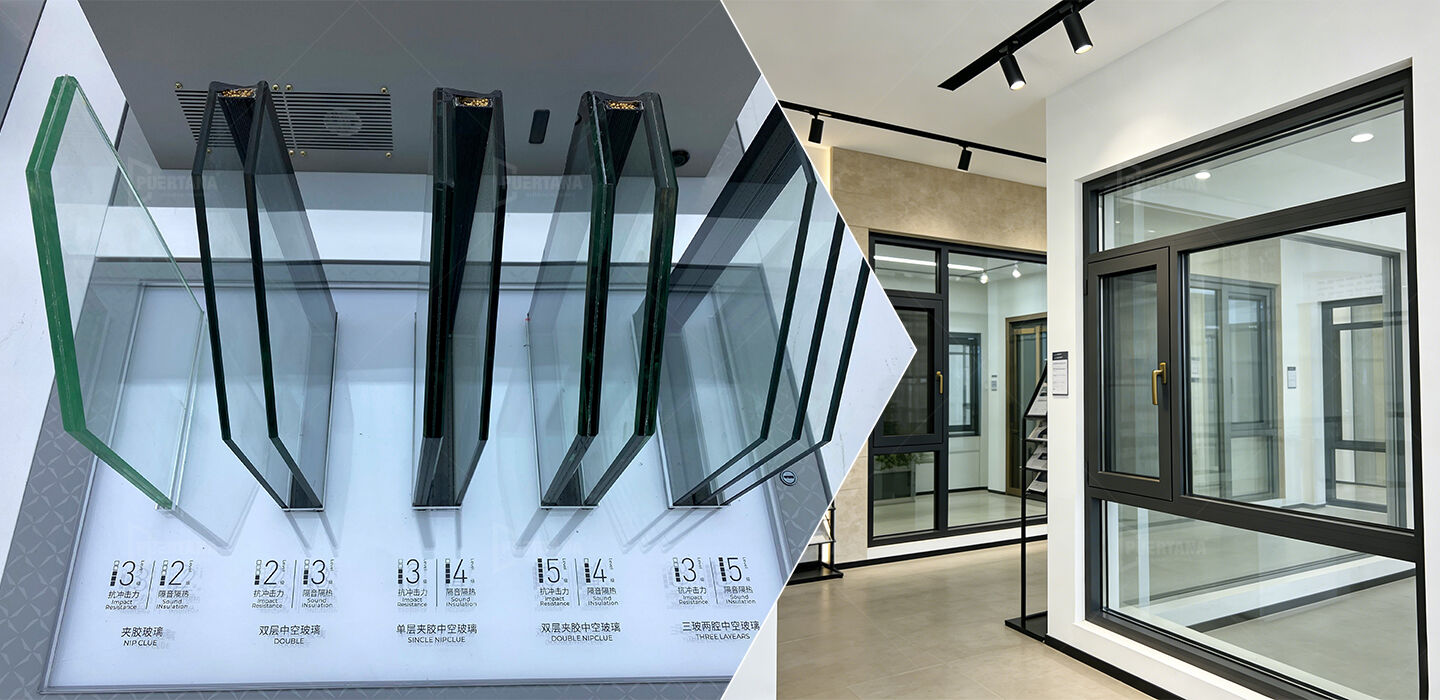
1. Tempered Glass: Safety for Upper Floors & High-Traffic Areas
What it is: Tempered glass is heat-treated to be 4-5 times stronger than regular annealed glass. When broken, it shatters into small, blunt-edged pieces (instead of sharp shards), reducing injury risk.
Pros: High impact resistance, safe breakage pattern, affordable, easy to maintain.
Cons: Once broken, it cannot be repaired (must be replaced); offers minimal sound or thermal insulation on its own.
Best for houses: Upper-floor windows, glass railings, shower enclosures, or any area where safety from broken glass is a top concern. Often used as a base layer for combined glass configurations (e.g., tempered + Low-E).
2. Laminated Glass: Security & Basic Sound Insulation
What it is: Laminated glass consists of two or more glass panes bonded together with a durable interlayer (usually PVB—polyvinyl butyral). Even when shattered, the glass remains held together by the interlayer, preventing intrusion and injury.
Pros: Excellent security (resists forced entry), blocks UV rays (protects furniture from fading), provides basic sound damping, safe breakage.
Cons: Slightly heavier than tempered glass; higher cost than single-pane glass; limited thermal insulation alone.
Best for houses: Ground-floor windows, main entrance doors, glass garage doors, or any area prone to break-in attempts. Ideal for houses in urban or high-crime neighborhoods.
3. Insulated (Double/Triple Glazed) Glass: Energy Efficiency Champion
What it is: Insulated glass (also called double-glazed or triple-glazed) consists of two or three glass panes separated by a spacer and sealed airtight. The gap between panes is often filled with inert gas (argon or krypton) to reduce heat transfer.
Common configurations for houses:
-
Double-glazed: 5+12A+5 (standard) – 5mm glass + 12mm argon gap + 5mm glass
-
High-insulation double-glazed: 5+20A+5 – wider 20mm gap for better thermal performance
-
Triple-glazed: 5+12A+5+12A+5 – three panes + two argon gaps (for extreme climates)
Pros: Dramatically reduces energy loss (cuts heating/cooling bills by 30-40%), blocks outdoor temperature fluctuations, reduces condensation.
Cons: Heavier than single-pane glass; higher upfront cost; requires professional installation to maintain airtight seal.
Best for houses: All windows/doors in houses (especially those with large openings) to combat energy waste. Triple-glazed is a must for houses in cold climates (e.g., northern Europe, Canada) or hot, sunny regions (when paired with Low-E coating).
4. Low-E Insulated Glass: Energy Efficiency + Natural Light
What it is: Low-E (low-emissivity) glass has a microscopically thin, invisible coating that reflects infrared heat while allowing visible light to pass through. It’s almost always used in combination with double or triple glazing (not single-pane).
Types of Low-E coatings for houses:
-
Single-silver Low-E: Basic option for moderate climates; balances heat reflection and light transmission.
-
Double-silver Low-E: Ideal for hot, sunny houses (blocks up to 70% of solar heat); keeps interiors cool without dimming light.
-
Triple-silver Low-E: Premium choice for cold climates; maximizes heat retention while minimizing UV damage.
Pros: Superior energy efficiency (meets ENERGY STAR and European A++ standards), preserves natural light, reduces glare, protects furniture/flooring from UV fading.
Cons: Higher cost than standard insulated glass; coating can be damaged if not handled properly during installation.
Best for houses: All modern houses prioritizing energy savings and comfort. Double-silver Low-E is perfect for Mediterranean or coastal houses (hot, sunny), while triple-silver suits mountain or northern houses (cold, snowy).
5. Laminated Insulated Glass (LIG): Security + Energy + Sound
What it is: A hybrid configuration that combines laminated glass (security/sound damping) with double-glazed insulation. The standard house configuration is 5+1.52PVB+5+12A+5 (5mm glass + 1.52mm PVB interlayer + 5mm glass + 12mm argon gap + 5mm glass).
Pros: All-in-one solution (security, energy efficiency, sound insulation); blocks both high and low-frequency noise; safe breakage; UV protection.
Cons: Heavier than standard insulated glass; higher cost; requires reinforced frames to support weight.
Best for houses: Ground-floor windows/doors in urban or noisy areas (near roads, schools). Ideal for houses that want to avoid multiple glass upgrades (security + energy + sound) in one go.
6. SGP Acoustic Glass: Premium Sound Insulation for Luxury Houses
What it is: A high-end option that replaces PVB with SGP (ionoplast) interlayer in laminated glass. SGP is stiffer, more durable, and better at damping low-frequency noise (engine vibrations, subway rumble) than PVB. Often paired with triple glazing for maximum performance.
Performance: Achieves STC (Sound Transmission Class) ratings above 50dB, blocking 99% of outdoor noise—comparable to hotel-level quietness.
Pros: Industry-leading sound insulation; superior security (resists heavy impact); weather-resistant; long lifespan.
Cons: Premium cost (2-3x more than standard laminated glass); requires specialized installation.
Best for houses: Luxury houses near airports, highways, or busy urban centers. Perfect for homeowners who prioritize a quiet, serene interior (e.g., home offices, bedrooms, meditation rooms).
House-Specific Glass Selection Cheat Sheet
Match your glass to your house’s location and needs with this quick reference:
|
House Scenario
|
Recommended Glass Configuration
|
Key Benefit
|
|---|---|---|
|
Coastal (salt, wind, sun)
|
Double-glazed Low-E + laminated (5+1.52PVB+5+20A+5)
|
Salt resistance, UV protection, energy efficiency
|
|
Urban/noisy (highways, airports)
|
SGP acoustic glass + triple glazing
|
Blocks low-frequency noise, hotel-level quiet
|
|
Cold climate (snow, frost)
|
Triple-glazed + triple-silver Low-E
|
Maximizes heat retention, reduces energy bills
|
|
Hot climate (sunny, arid)
|
Double-glazed + double-silver Low-E
|
Blocks solar heat, keeps interiors cool
|
|
Ground-floor security (urban/suburban)
|
Laminated insulated glass (LIG)
|
Forced entry resistance, energy efficiency
|
|
Upper-floor safety (children/pets)
|
Tempered + Low-E double glazing
|
Safe breakage, energy savings
|
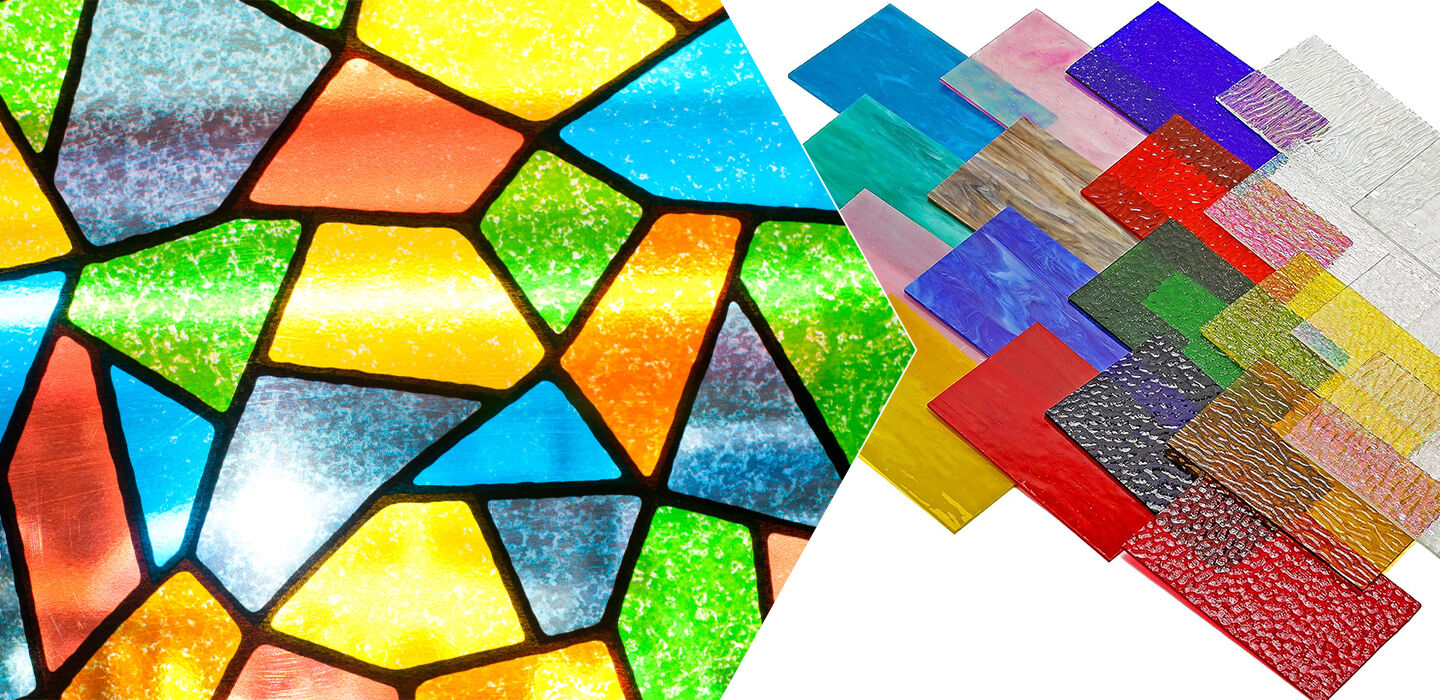
7. Stained Glass: Aesthetic Appeal with Long-Term Cost Considerations
What it is: Stained glass consists of colored glass pieces joined by lead came or copper foil, often used for decorative accents, transoms, or feature windows. It adds unique artistic value and privacy but requires specific considerations for long-term performance.
Energy Bills (20+ Years): Traditional stained glass has poor thermal insulation due to gaps in lead came and single-pane construction, leading to 25-30% higher energy costs compared to insulated glass. For energy efficiency, opt for insulated stained glass (colored laminated panes with argon-filled gaps) – this reduces heat transfer but adds 30-40% to the initial cost, though it saves 20-25% annually on heating/cooling bills over 20 years.
Maintenance (20+ Years): Regular maintenance is critical. Lead came oxidizes over time (especially in humid or coastal areas), requiring re-caulking every 5-7 years ($200-$500 per window) and full lead replacement every 15-20 years ($800-$1,500 per window). Copper foil stained glass needs annual cleaning with non-abrasive solutions to prevent discoloration. Insulated stained glass has lower maintenance needs, as the sealed unit protects the colored panes from environmental damage.
Replacements (20+ Years): Well-maintained stained glass can last 50+ years, but individual colored panes may crack or fade (especially in direct sunlight), costing $100-$300 per pane to replace. Traditional single-pane stained glass may need full replacement after 30-40 years if lead deterioration is severe, with costs ranging from $1,500-$3,000 per window. Insulated stained glass units have a 20-25 year lifespan before the seal fails, requiring full unit replacement ($2,000-$4,000 per window).
Best for houses: Accent windows, entryways, or historic homes where aesthetics are a top priority. Pair with insulated glass for primary windows to balance beauty and energy efficiency.
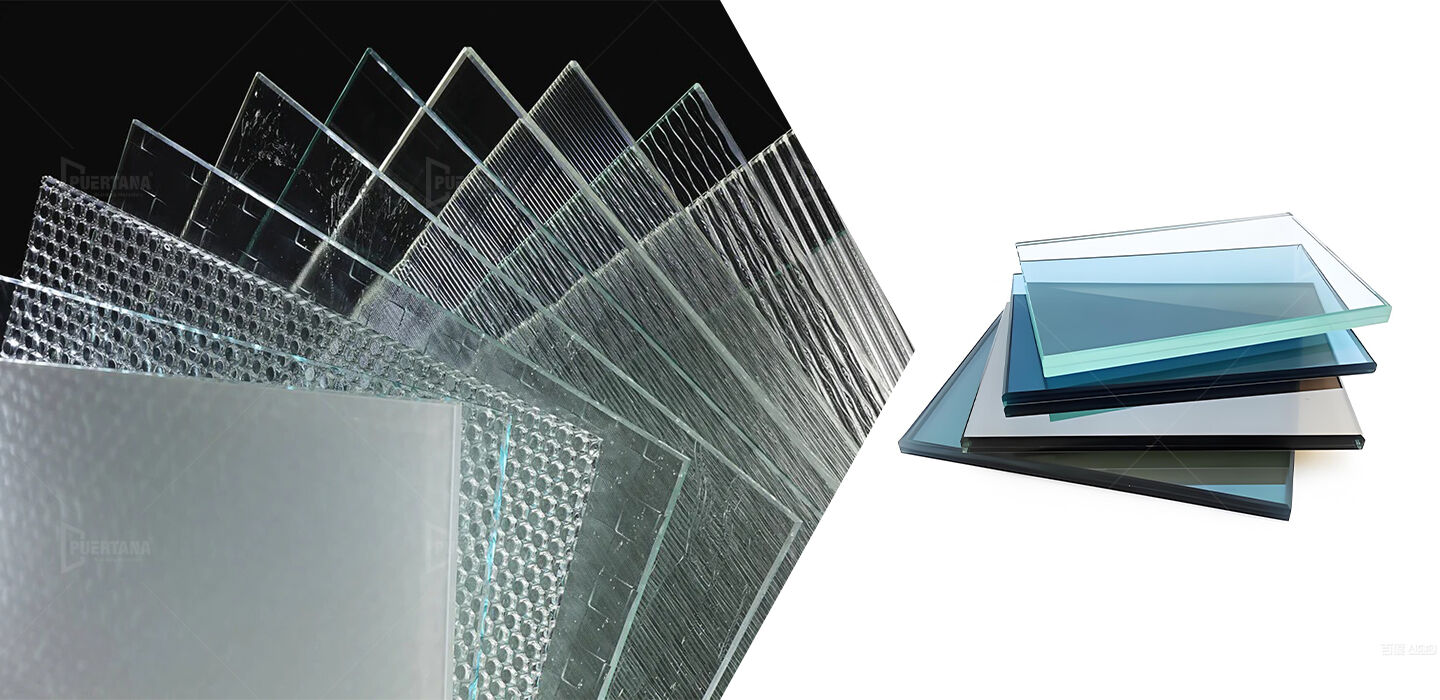
8. Textured Glass: Privacy with Practical Long-Term Costs
What it is: Textured glass (e.g., frosted, rain, obscure) has a patterned surface that diffuses light, providing privacy without blocking natural light. It’s available in single-pane, laminated, or insulated configurations.
Energy Bills (20+ Years): Single-pane textured glass has high heat transfer, increasing energy costs by 20-25% over 20 years. Laminated or insulated textured glass (paired with Low-E coating) matches the energy efficiency of standard insulated glass, reducing annual heating/cooling costs by 30-40%. The upfront cost of insulated textured glass is 10-15% higher than clear insulated glass, but the energy savings offset this within 5-7 years.
Maintenance (20+ Years): Textured surfaces trap dust and grime, requiring more frequent cleaning (monthly for high-humidity areas like bathrooms). Use mild soap and a soft brush to avoid damaging the texture – harsh cleaners can scratch the surface, reducing privacy and light diffusion. Laminated and insulated textured glass have no additional maintenance needs beyond standard glass care (occasional cleaning, inspection of seals).
Replacements (20+ Years): Single-pane textured glass has a 15-20 year lifespan, with replacement costs of $150-$300 per window. Laminated textured glass lasts 20-25 years, while insulated textured glass units have a 20-25 year lifespan (seal failure is the main replacement trigger). Replacement costs for laminated/insulated textured glass range from $300-$800 per window, depending on size and configuration.
Best for houses: Bathrooms, bedrooms, home offices, or any area needing privacy without sacrificing natural light. Insulated textured glass is ideal for primary living spaces to balance privacy and energy efficiency.
House-Specific Glass Selection Cheat Sheet
-
Mistake 1: Choosing glass based on thickness alone – Thicker glass doesn’t always mean better security or sound insulation. Laminated layers (PVB/SGP) and multi-cavity designs are more effective than single thick panes.
-
Mistake 2: Ignoring frame compatibility – Heavy glass (triple-glazed, SGP) requires reinforced frames (≥1.4mm aluminum, aluminum-wood) to support weight. Weak frames will negate glass performance.
Ready to Choose the Perfect Glass for Your House?
Your house’s glass is an investment in comfort, security, and luxury. By focusing on your specific needs (security, energy, sound) and matching them to the right configuration, you’ll create a space that’s both beautiful and functional.
Not sure which glass is right for your house? Our team of glass experts specializes in luxury house projects—we’ll take the guesswork out of your selection. Fill out our quick 2-minute form with your house’s location, climate, and key needs (security/noise/energy), and we’ll send you a personalized glass recommendation for free. You can also click the “Consult Now” button below to chat with an expert in real time—no obligation, just tailored advice to match your luxury living vision.
Leave a comment below: What’s your biggest concern when choosing house window/door glass? Security? Energy bills? Or noise pollution? Our experts will reply to your questions within 24 hours!
1. Prioritize high-impact areas first: Invest in premium glass (laminated, SGP) for ground-floor windows/doors and noisy areas. Upper floors can use tempered + Low-E for cost-effectiveness.
2. Work with a house-specialized supplier: Look for suppliers who understand the unique needs of houses (diverse climates, varying opening sizes) and offer custom glass configurations.
3. Ask for performance certificates: Verify that the glass meets ENERGY STAR, European A++, or STC ratings (for sound) before purchasing.
4. Consider long-term value: Premium glass (Low-E, SGP, insulated stained/textured) has a higher upfront cost but saves money on energy bills, maintenance, and replacements over 20+ years.
Final Tips for House Glass Selection
1. Prioritize high-impact areas first: Invest in premium glass (laminated, SGP) for ground-floor windows/doors and noisy areas. Upper floors can use tempered + Low-E for cost-effectiveness.
2. Work with a house-specialized supplier: Look for suppliers who understand the unique needs of houses (large openings, diverse climates) and offer custom glass configurations.
3. Ask for performance certificates: Verify that the glass meets ENERGY STAR, European A++, or STC ratings (for sound) before purchasing.
4. Consider long-term value: Premium glass (Low-E, SGP) has a higher upfront cost but saves money on energy bills, maintenance, and replacements over 20+ years.
Ready to Choose the Perfect Glass for Your House?
Your house’s glass is an investment in comfort, security, and luxury. By focusing on your specific needs (security, energy, sound) and matching them to the right configuration, you’ll create a space that’s both beautiful and functional.
Not sure which glass is right for your house? Our team of glass experts specializes in luxury house projects—we’ll take the guesswork out of your selection. Fill out our quick 2-minute form with your house’s location, climate, and key needs (security/noise/energy), and we’ll send you a personalized glass recommendation for free. You can also click the “Consult Now” button below to chat with an expert in real time—no obligation, just tailored advice to match your luxury living vision.
Leave a comment below: What’s your biggest concern when choosing house window/door glass? Security? Energy bills? Or noise pollution? Our experts will reply to your questions within 24 hours!
Table of Contents
- Why Glass Configuration Matters More for Houses
- Key Factors to Consider Before Choosing House Glass
-
The Most Popular House Glass Types: Pros, Cons & Best Uses
- 1. Tempered Glass: Safety for Upper Floors & High-Traffic Areas
- 2. Laminated Glass: Security & Basic Sound Insulation
- 3. Insulated (Double/Triple Glazed) Glass: Energy Efficiency Champion
- 4. Low-E Insulated Glass: Energy Efficiency + Natural Light
- 5. Laminated Insulated Glass (LIG): Security + Energy + Sound
- 6. SGP Acoustic Glass: Premium Sound Insulation for Luxury Houses
- House-Specific Glass Selection Cheat Sheet
- House-Specific Glass Selection Cheat Sheet
- Ready to Choose the Perfect Glass for Your House?
- Final Tips for House Glass Selection
- Ready to Choose the Perfect Glass for Your House?