 EN
EN


When designing or renovating a house, every detail contributes to its luxury, functionality, and livability—and few details are as impactful as the opening styles of your doors and windows. Unlike standard homes, houses feature larger spaces, diverse room functions, and unique architectural demands (from expansive patio walls to grand entrances), making the choice of opening style far more than a matter of aesthetics. It directly influences security, ventilation, space utilization, energy efficiency, and even the overall flow of your living environment.
In this guide, we’ll focus exclusively on door and window opening styles, breaking down the most popular options for houses. We’ll explore their key benefits, ideal applications, and critical considerations (like space constraints, climate, and safety) to help you make informed decisions that align with your house’s design vision and practical needs.
Why Opening Style Matters More for Houses
Houses present unique challenges and opportunities that make opening style selection a critical decision:
-
Large openings demand robust operation: Floor-to-ceiling windows, oversized entry doors, and wide patio openings require opening mechanisms that can support heavy, large-scale sashes/doors while remaining smooth and durable.
-
Diverse space functions: A house may include grand foyers, serene bedrooms, bustling kitchens, private home offices, and outdoor entertainment areas—each with distinct needs for ventilation, privacy, and access.
-
Luxury = seamless experience: House owners expect effortless operation, whether it’s gliding open a patio door or tilting a window for gentle ventilation. Poorly chosen opening styles can disrupt this seamless luxury.
-
Safety and security priorities: With potentially more entry points and larger glass surfaces, opening styles must integrate with security features (like multi-point locking systems) to protect your home.
Window Opening Styles for Houses: Pros, Cons & Ideal Uses
Windows are the eyes of your house, and their opening style dictates how light, air, and views interact with your space. Below are the most popular window opening styles for houses, along with their suitability for different areas and needs.
1. Casement Windows (Outward/Inward Opening)
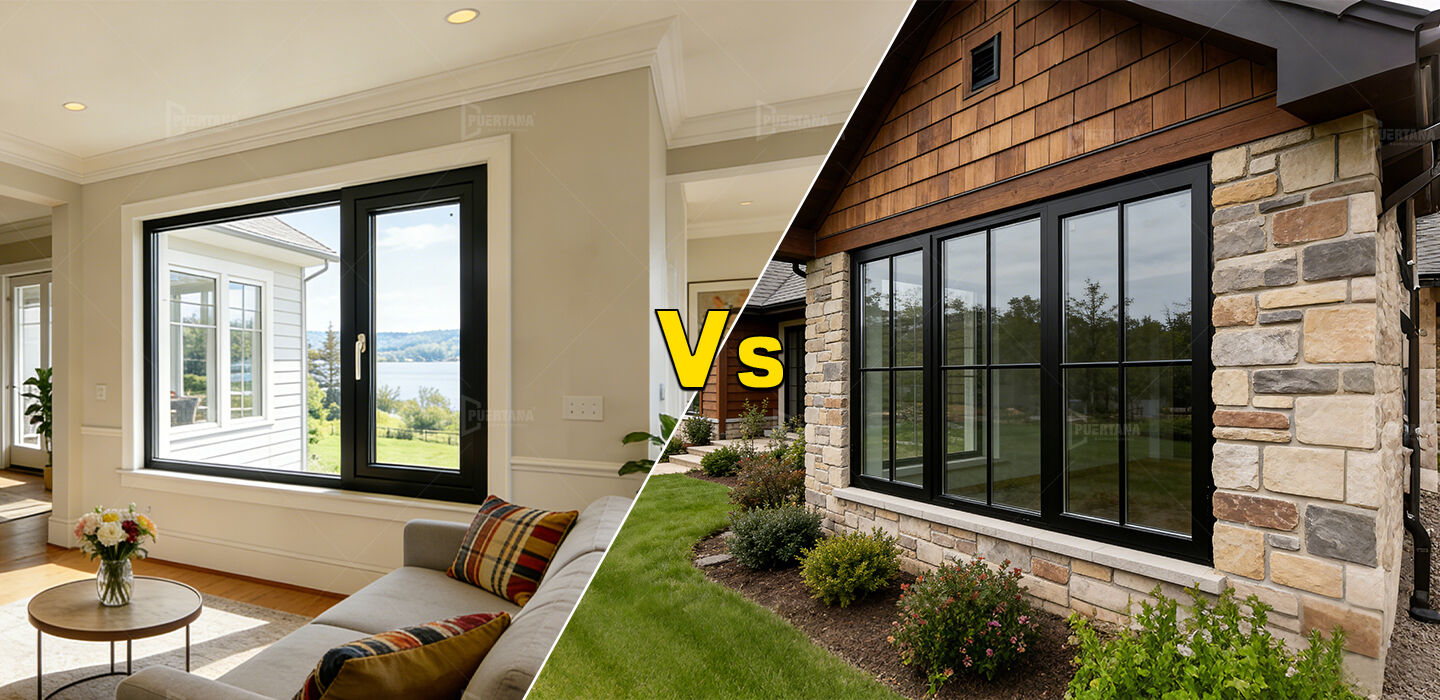
What it is: Casement windows are hinged at the side (left, right, or both for double casement) and open outward or inward like a door. They’re operated by a crank handle (for outward-opening) or a lever (for inward-opening) and can open up to 90 degrees.
Key Benefits for Houses:
-
Maximum ventilation: Full 90-degree opening allows unrestricted airflow, making them ideal for rooms that need abundant fresh air (e.g., kitchens, living rooms).
-
Unobstructed views: Minimal frame obstruction when open, preserving views of gardens, landscapes, or coastal vistas—perfect for house living rooms or bedrooms with scenic outlooks.
-
Enhanced security: Easy to integrate with multi-point locking systems (securing the sash at top, bottom, and side), providing robust protection against break-ins.
-
Flexible installation: Outward-opening saves interior space, while inward-opening is easier to clean and maintain (especially for upper floors).
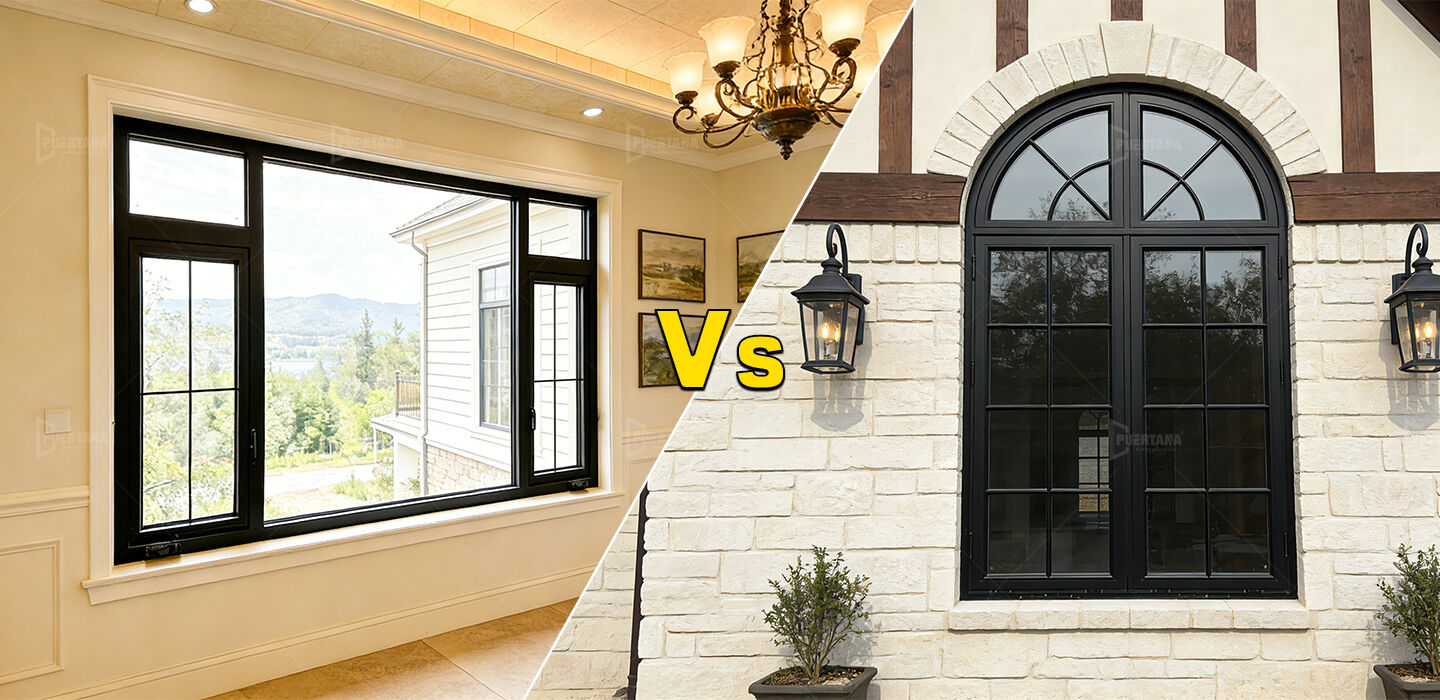
Cons: Outward-opening casements can be damaged by strong winds if left open; inward-opening styles may interfere with window treatments or furniture placement.
Ideal House Applications: Living rooms, dining rooms, kitchens, and bedrooms with scenic views. Outward-opening for rooms with limited interior space; inward-opening for upper floors or rooms with heavy window treatments.
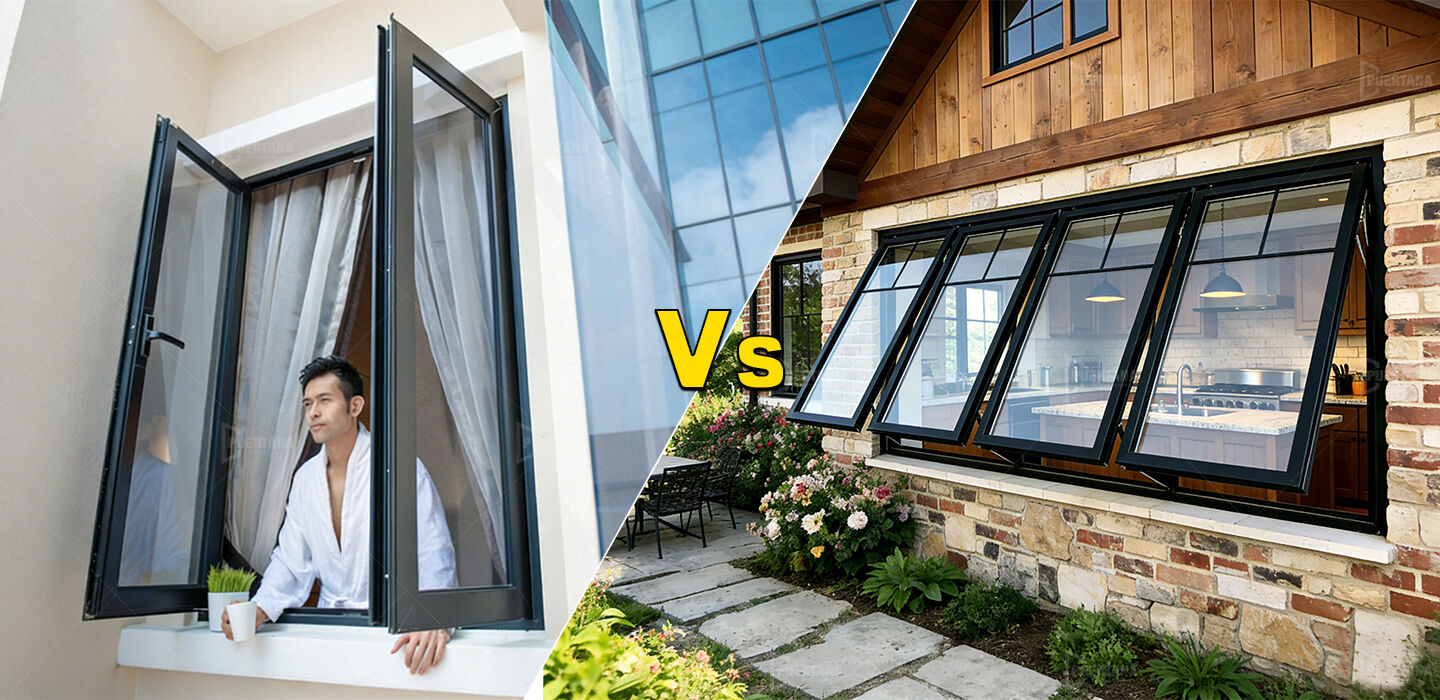
2. Awning Windows (Top-Hinged, Outward Opening)
What it is: Awning windows are hinged at the top and open outward from the bottom, creating an "awning" effect. They’re typically operated by a crank and have a limited opening angle (15-30 degrees).
Key Benefits for Houses:
-
Rainproof ventilation: The awning-like opening deflects rain, allowing you to keep the window open even during light showers—ideal for bathrooms, basements, or any room that needs continuous ventilation without water intrusion.
-
Space-saving design: Opens outward without占用 (occupying) interior or exterior floor space, making them perfect for narrow balconies,走廊 (corridors), or kitchen countertops below windows.
-
Enhanced safety: Limited opening angle prevents unauthorized access from outside, making them a safe choice for ground-floor windows or bedrooms with children/pets.
-
Discreet operation: Compact design blends seamlessly with various architectural styles, from modern to traditional houses.
Cons: Limited ventilation compared to casement windows; crank mechanism may require occasional maintenance.
Ideal House Applications: Bathrooms, basements, utility rooms, narrow balconies, and kitchen windows above countertops. Also suitable for upper-floor bedrooms where safety and rainproof ventilation are priorities.
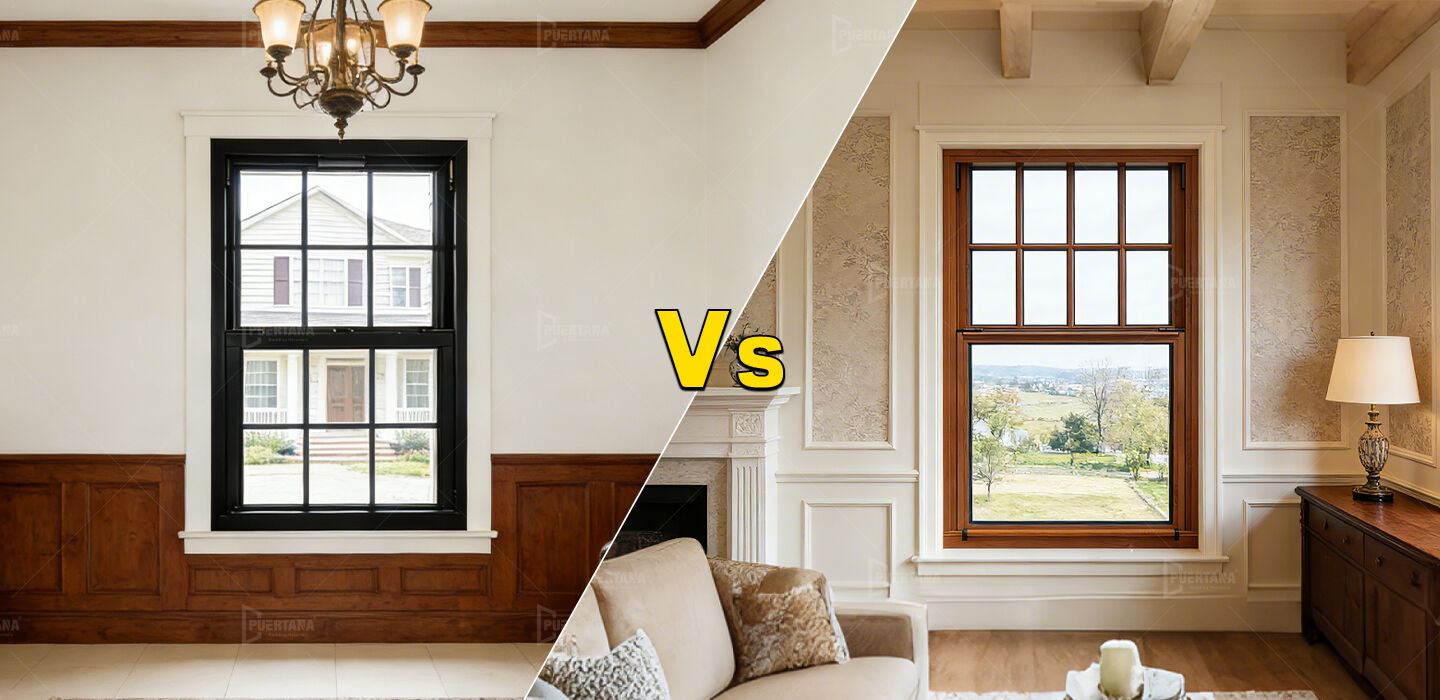
3. Single/Double Hung Windows (Vertical Sliding)
What it is: Hung windows feature one or two sashes that slide vertically within the frame. Single-hung windows have only the bottom sash operable, while double-hung windows allow both upper and lower sashes to slide—enabling flexible ventilation options.
Key Benefits for Houses:
-
Classic aesthetic appeal: Timeless vertical sliding design complements traditional, colonial, or Mediterranean house styles, adding a touch of elegance to exteriors and interiors.
-
Flexible ventilation: Double-hung models allow "cross ventilation" (opening upper and lower sashes simultaneously) for improved air circulation, while opening only the upper sash maintains privacy.
-
Safe for families: Sashes slide within the frame, eliminating the risk of outward protrusion (no risk of children or pets falling out) and reducing the chance of wind damage.
-
Space-efficient: No protruding sashes, making them ideal for rooms with furniture placed close to windows or narrow exterior spaces (e.g., near fences or gardens).
Cons: Limited ventilation compared to casement windows; sliding tracks require regular cleaning to prevent dirt buildup and ensure smooth operation.
Ideal House Applications: Traditional or colonial-style houses’ bedrooms, studies, and guest rooms. Also suitable for second-floor windows where safety and classic design are priorities.
4. Horizontal Folding Windows (Multi-Sash, Foldable)
What it is: Horizontal folding windows consist of multiple sashes connected by hinges, which fold horizontally to one or both sides. When fully open, they create a wide, unobstructed opening that blurs the line between indoor and outdoor spaces.
Key Benefits for Houses:
-
Maximized openness: Fully open to 90% of the opening width, creating a seamless transition between indoor living areas (e.g., living rooms, dining rooms) and outdoor spaces (patios, gardens, pools).
-
Flexible operation: Can be partially opened for targeted ventilation or fully opened for large gatherings, making them perfect for house entertainment areas.
-
Modern aesthetic: Sleek, minimalist design with narrow frames enhances the contemporary look of modern houses, maximizing natural light and views.
-
Customizable size: Available in large widths (up to 6 meters or more), accommodating the oversized openings common in houses.
Cons: Higher cost due to complex hinge and frame systems; requires regular maintenance of hinges and tracks; may have slightly lower energy efficiency if not properly sealed.
Ideal House Applications: Modern houses’ living room-patio transitions, dining room-garden openings, and poolside entertainment areas. Perfect for homeowners who prioritize indoor-outdoor integration.
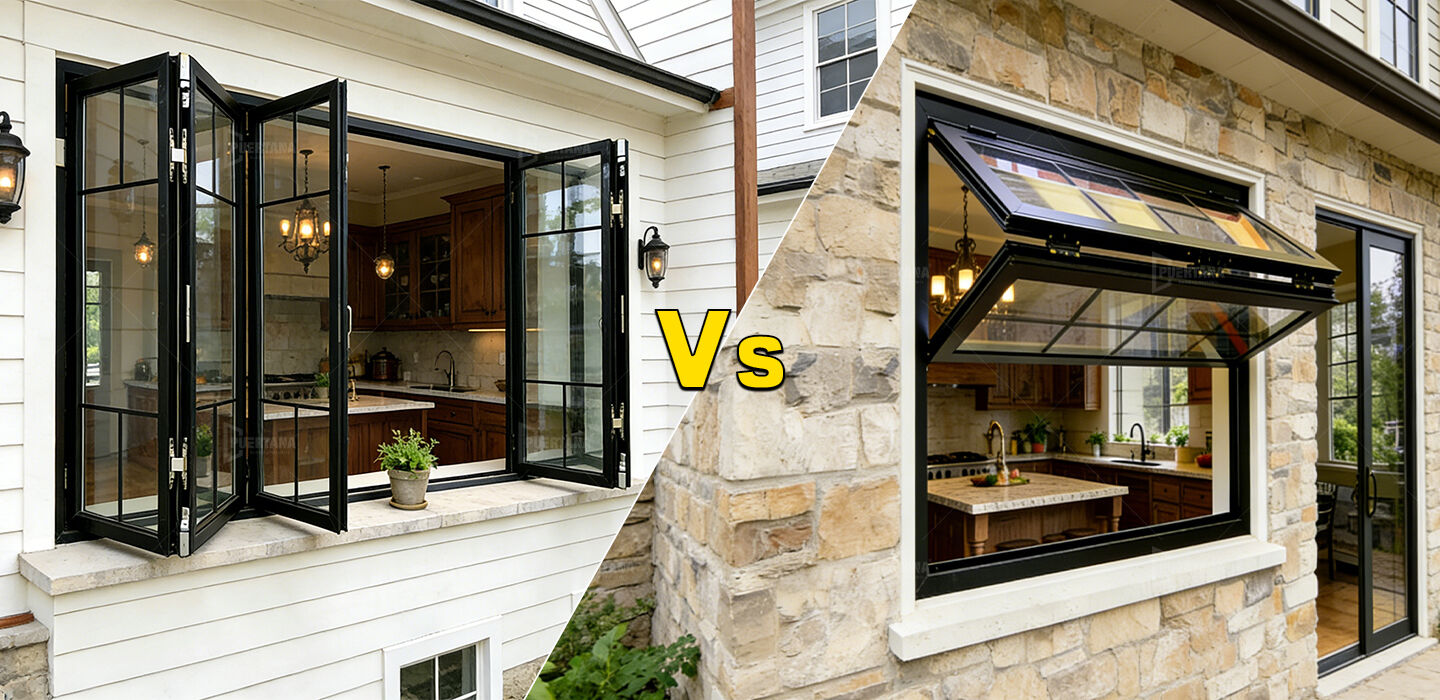
5. Vertical Fold Up Windows (Vertical Folding, Stackable)
What it is: Vertical fold up windows consist of multiple sashes connected by vertical hinges, which fold upward and stack at the top of the frame. They operate by lifting the bottom sash, which triggers the upper sashes to fold sequentially, creating an unobstructed vertical opening.
Key Benefits for Houses:
-
Space-saving vertical stacking: Sashes fold upward and stack compactly at the top, not occupying horizontal indoor or outdoor space—ideal for narrow walls, corridors, or areas with limited horizontal clearance (e.g., near outdoor seating or gardens).
-
Flexible opening control: Can be partially opened to any height for targeted ventilation (e.g., opening halfway for gentle airflow) or fully opened to maximize space and light, adapting to different usage scenarios.
-
Enhanced privacy when partially open: Vertical opening allows ventilation while maintaining partial visual privacy (compared to horizontal opening styles), making it suitable for ground-floor windows facing neighbors.
-
Modern and sleek design: Minimal vertical frames and stacked sashes create a contemporary look, complementing modern and minimalist house styles. Customizable sash numbers to fit different height requirements.
-
Weather resistance: Vertical stacking design reduces water intrusion risk, as rainwater flows downward along the frame; paired with high-quality seals, it performs well in rainy or humid climates.
Cons: Higher cost than standard sliding or casement windows due to specialized vertical hinge systems; requires regular maintenance of vertical hinges and lifting mechanisms; full opening height is limited by the stacking space at the top.
Ideal House Applications: Narrow walls (e.g., between two rooms, corridor ends), ground-floor windows facing neighbors (privacy + ventilation), modern house balconies, or utility rooms with limited horizontal space. Also suitable for areas where horizontal opening is restricted but vertical space is available.
Door Opening Styles for Houses: Pros, Cons & Ideal Uses
Doors are the gateway to your house, and their opening style sets the tone for luxury, security, and functionality. Below are the most popular door opening styles for houses, tailored to different entry points and space needs.
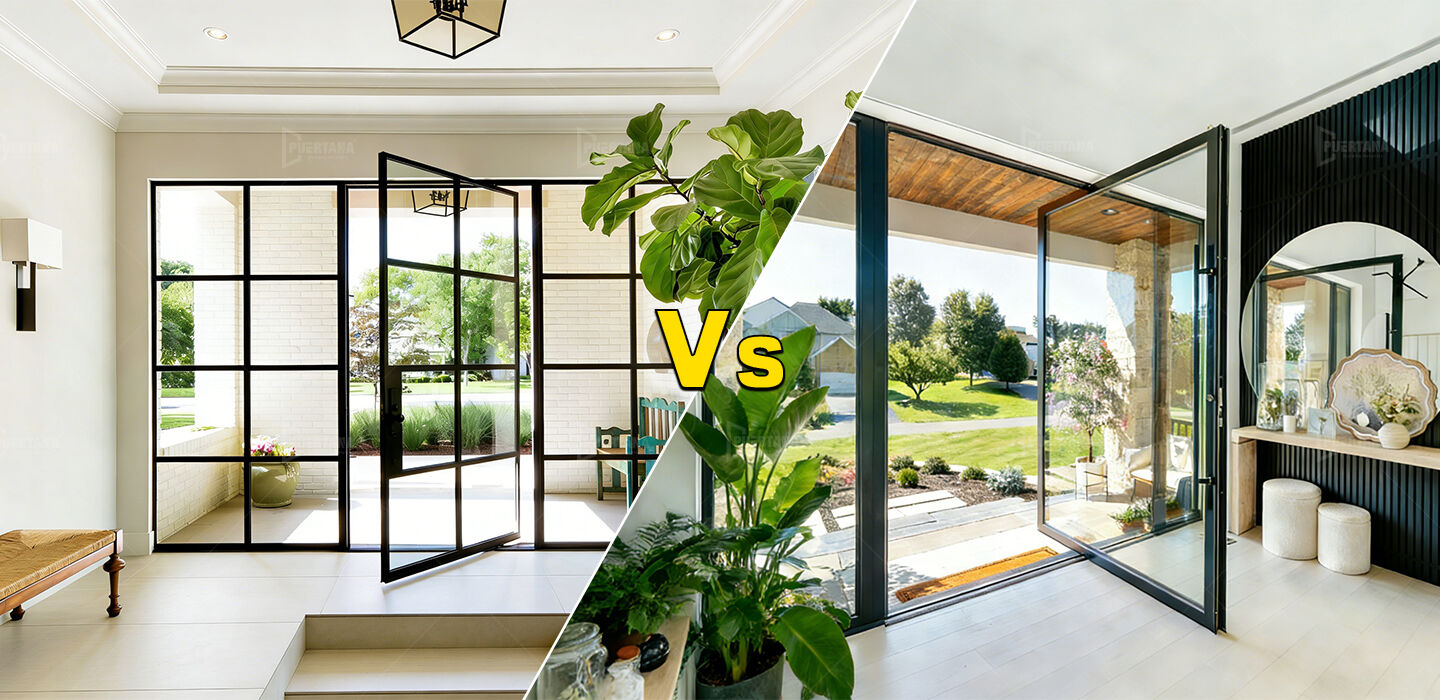
1. Pivot Doors (Center/Hinged Rotation)
What it is: Pivot doors rotate around a central vertical axis (instead of side hinges), allowing them to open inward or outward with minimal effort—even for oversized, heavy doors. They’re available in single or double configurations and are often used as grand entry doors.
Key Benefits for Houses:
-
Grand aesthetic impact: Oversized design (up to 4 meters wide and 5 meters tall) creates a dramatic first impression, perfectly matching the luxury and scale of houses. Ideal for main entrances.
-
Effortless operation: Central pivot system distributes weight evenly, making it easy to open and close even heavy doors (e.g., solid wood or glass-paneled pivot doors).
-
Flexible opening direction: Can be configured to open inward (protecting from weather) or outward (maximizing foyer space), adapting to your house’s layout.
-
Enhanced security: Integrates with heavy-duty multi-point locking systems (securing top, bottom, and sides), providing superior protection compared to standard hinge doors.
Cons: Higher cost due to custom manufacturing and specialized hardware; requires additional space for rotation (no obstacles near the door); professional installation is mandatory.
Ideal House Applications: Main entrances, grand foyers, and indoor-outdoor transitions (e.g., living room to patio) in luxury houses. Perfect for homeowners who want to make a statement with their entry door.
2. Sliding Doors (Horizontal Gliding)
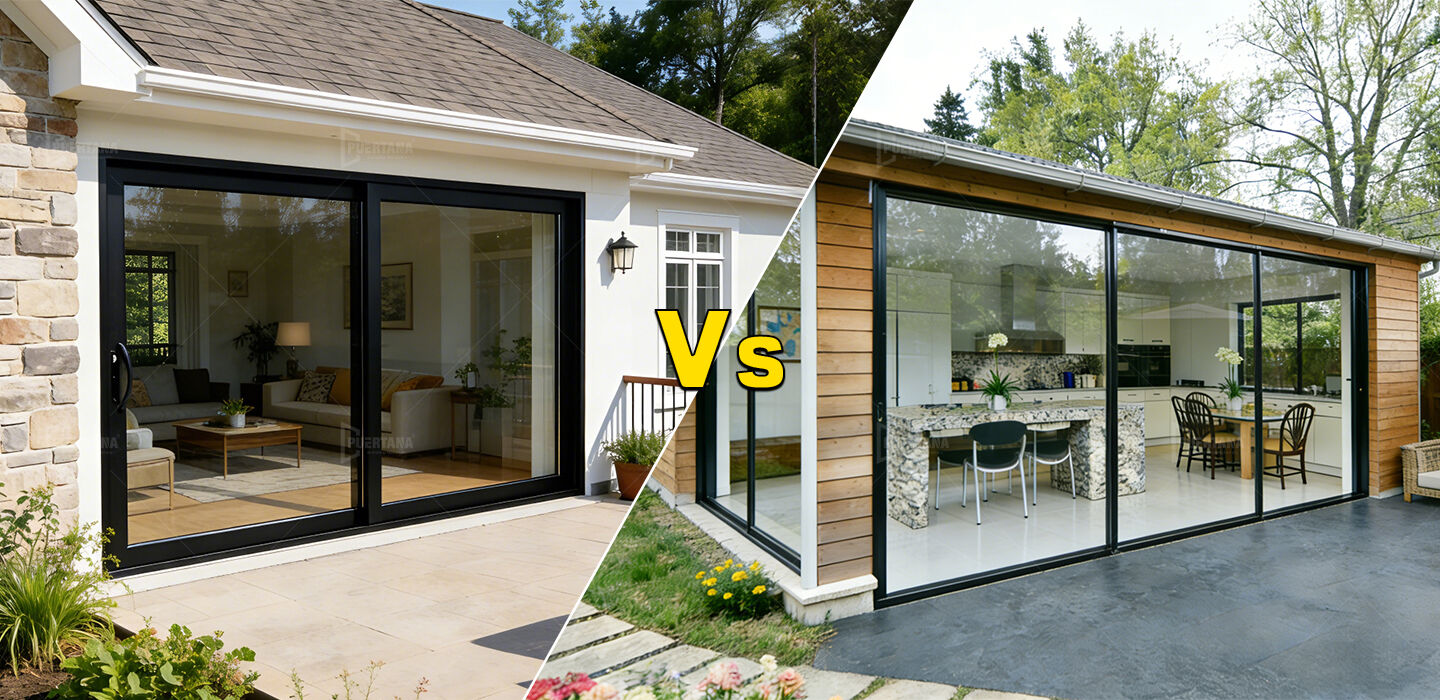
What it is: Sliding doors (also called patio doors) feature one or more sashes that glide horizontally along tracks. They’re available in single-slide (one fixed, one operable) or bi-slide (both sashes operable) configurations, with large glass panels for maximum light and views.
Key Benefits for Houses:
-
Space-saving operation: Glide horizontally without protruding into indoor or outdoor spaces, making them ideal for narrow foyers, small patios, or rooms with furniture near the door.
-
Maximized light and views: Large glass panels (often floor-to-ceiling) flood interiors with natural light and frame outdoor views (gardens, pools, landscapes) seamlessly.
-
Easy operation: Smooth-gliding tracks (often with roller bearings) make opening and closing effortless, even for large sashes.
-
Versatile design: Sleek frames complement modern, contemporary, and Mediterranean house styles. Available in aluminum, aluminum-wood, or vinyl materials.
Cons: Limited ventilation (only one sash opens at a time); tracks require regular cleaning to prevent dirt buildup; may have lower energy efficiency if tracks are not properly sealed.
Ideal House Applications: Patio doors, poolside entrances, and transitions between living rooms/dining rooms and outdoor spaces. Also suitable for narrow entryways or guest house entrances.
3. French Doors (Hinged, Double Opening)
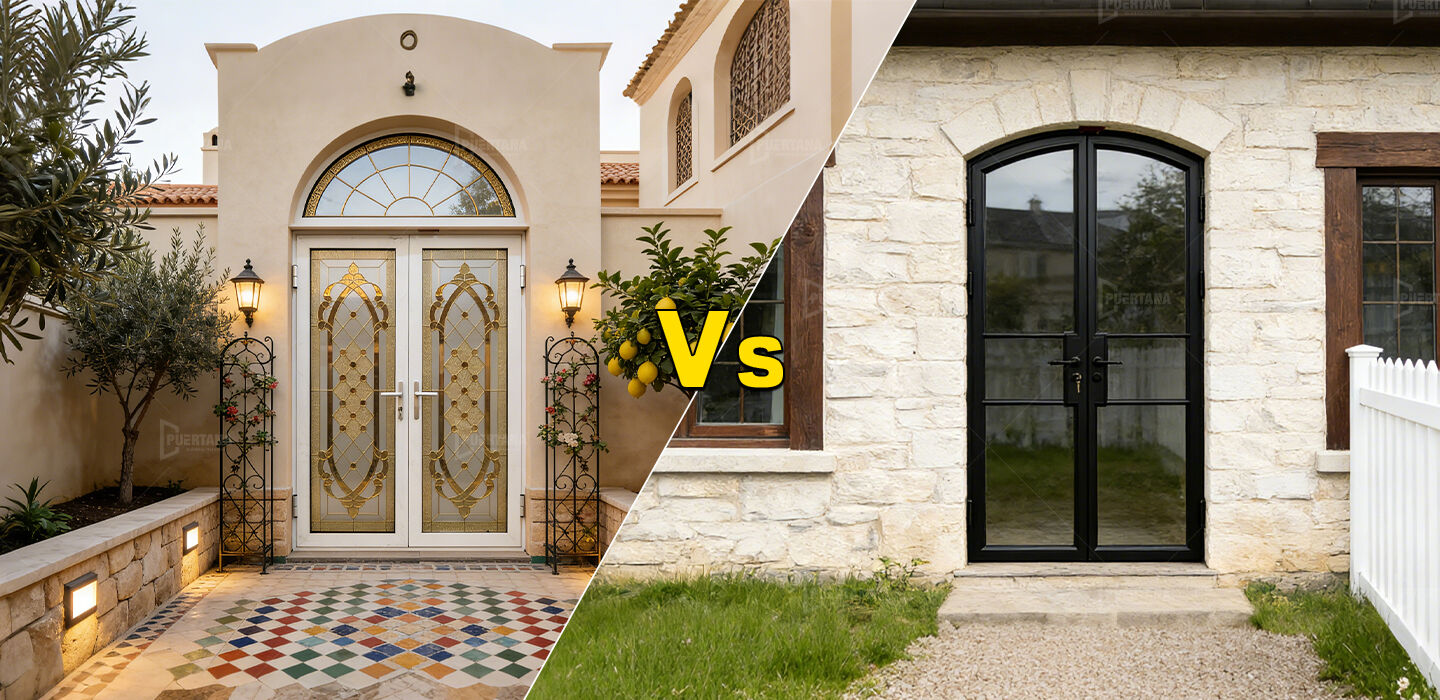
What it is: French doors are double doors with glass panels (often full-length) that hinge outward or inward, opening to create a wide, unobstructed passage. They feature classic styling with muntins (divider bars) for a timeless look.
Key Benefits for Houses:
-
Timeless elegance: Classic design complements traditional, colonial, and Mediterranean house styles, adding sophistication to entrances and indoor-outdoor transitions.
-
Wide opening: Both doors open to create a large passage, ideal for moving furniture, hosting gatherings, or connecting spacious indoor and outdoor areas (e.g., gardens, terraces).
-
Abundant light: Full-length glass panels maximize natural light, brightening foyers, dining rooms, and bedrooms.
-
Flexible ventilation: Can be opened fully for maximum airflow or partially (one door open) for targeted ventilation.
Cons: Require significant space for opening (both indoor and outdoor); glass panels may require additional security measures (e.g., laminated glass); higher maintenance for hinges.
Ideal House Applications: Main entrances (for traditional houses), dining room-garden transitions, bedroom-terrace entrances, and guest house entrances. Perfect for homeowners who want to blend classic style with functionality.
4. Bi-Fold Doors (Folding, Multi-Panel)
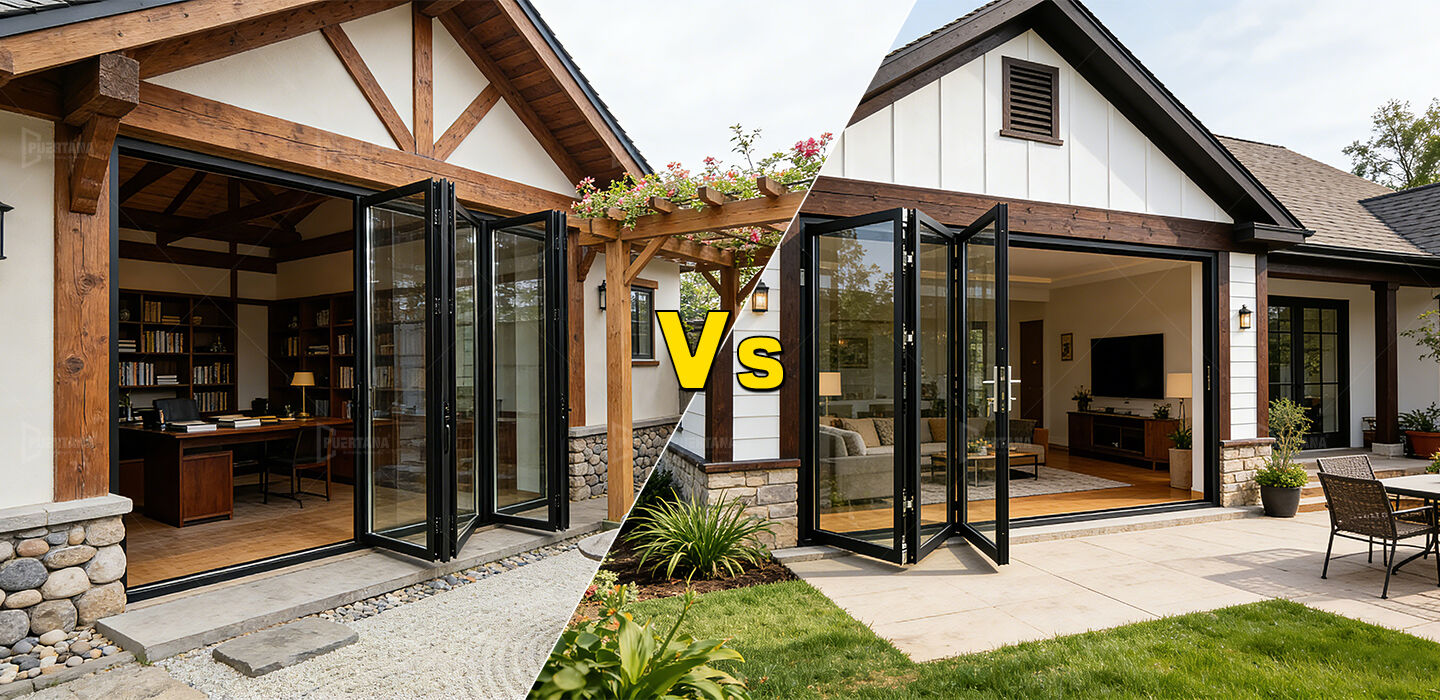
What it is: Bi-fold doors consist of multiple panels connected by hinges that fold inward or outward, stacking neatly to one or both sides. When fully open, they create a wide, unobstructed opening similar to horizontal folding windows but designed for door-sized openings.
Key Benefits for Houses:
-
Seamless indoor-outdoor integration: Fully open to 90% of the opening width, transforming entire walls into open spaces—ideal for connecting living rooms, dining rooms, or pool houses to outdoor entertainment areas.
-
Space-efficient storage: Panels stack compactly when open, requiring minimal space compared to French doors.
-
Customizable design: Available in 2-8 panels, with customizable widths (up to 8 meters or more) to fit oversized house openings. Sleek frames complement modern and contemporary styles.
-
Maximized light: Large glass panels flood interiors with natural light, enhancing the sense of space in open-concept house layouts.
Cons: Higher cost than sliding or French doors; requires regular maintenance of hinges and tracks; may have slightly lower energy efficiency if panels are not properly sealed.
Ideal House Applications: Modern houses’ living room-patio transitions, pool house entrances, and large-scale indoor-outdoor entertainment areas. Perfect for homeowners who want to prioritize open space and natural light.
Critical Considerations for Choosing Opening Styles
To ensure you select the right opening styles for your house, keep these key factors in mind:
1. Space Constraints
-
Indoor space: If rooms have furniture close to windows/doors, choose space-saving options (awning windows, sliding doors, bi-fold doors) to avoid obstruction.
-
Outdoor space: Narrow patios, gardens with close plantings, or near-neighbor boundaries call for sliding or folding styles (no outward protrusion) instead of French or casement doors/windows.
2. Climate & Weather Conditions
-
Windy areas: Avoid outward-opening casement windows or French doors (risk of wind damage); opt for inward-opening, sliding, or pivot styles.
-
Rainy/humid climates: Prioritize awning windows (rainproof ventilation) and pivot/sliding doors (tight seals to prevent water intrusion).
-
Extreme temperatures: Choose opening styles with excellent sealing (casement windows, pivot doors) to improve energy efficiency; avoid bi-fold or folding windows/doors in areas with extreme cold/hot (unless equipped with high-performance seals).
3. Safety & Security
-
Ground-floor windows/doors: Opt for styles with multi-point locking systems (casement windows, pivot doors) and laminated glass for enhanced break-in resistance.
-
Upper floors: Choose inward-opening or sliding styles (no outward protrusion) to reduce fall risks for children/pets; awning windows are also a safe option (limited opening angle).
-
Pool areas: Sliding or bi-fold doors with easy operation and wide openings facilitate safe access to pool areas; ensure doors have child-safe locks.
4. Architectural Style
-
Modern/contemporary houses: Sliding doors, bi-fold doors, horizontal folding windows, and pivot doors (sleek, minimalist design) are ideal.
-
Traditional/colonial houses: French doors, single/double hung windows, and inward-opening casement windows (classic, timeless design) complement the aesthetic.
-
Mediterranean houses: Awning windows, sliding doors, and French doors (with wooden frames) blend with the warm, coastal style.
House Opening Style Selection Cheat Sheet
Quickly match opening styles to your house’s spaces and needs:
|
House Space/Need
|
Recommended Window Opening Style
|
Recommended Door Opening Style
|
|---|---|---|
|
Main Entrance (Luxury Statement)
|
Casement Windows (Inward-Opening)
|
Pivot Door
|
|
Living Room → Patio (Indoor-Outdoor Integration)
|
Horizontal Folding Windows
|
Bi-Fold Doors or Sliding Doors
|
|
Bedroom (Safety + Privacy)
|
Awning Windows or Double Hung Windows
|
Sliding Doors (Terrace Access)
|
|
Bathroom (Rainproof Ventilation)
|
Awning Windows
|
Sliding Doors (Space-Saving)
|
|
Kitchen (Countertop Windows)
|
Awning Windows
|
Sliding Doors (Patio Access)
|
|
Traditional House Exterior
|
Single/Double Hung Windows
|
French Doors
|
|
Modern House Exterior
|
Horizontal Folding Windows or Vertical Fold Up Windows
|
Pivot Door or Bi-Fold Doors
|
Final Tips for House Door & Window Opening Style Selection
1. Test operation before purchasing: Visit a showroom to test the smoothness of opening/closing for different styles—especially for large pivot doors or folding windows/doors.
2. Invest in quality hardware: For long-term durability and smooth operation, choose high-quality hinges, tracks, and locking systems (e.g., German HOPO, SIEGENIA) for your house’s doors and windows.
3. Work with house-specialized suppliers: Choose suppliers with experience in luxury house projects—they can help you customize opening styles to fit oversized openings and unique architectural demands.
4. Prioritize professional installation: Specialized opening styles (pivot doors, bi-fold doors, folding windows) require precise installation to ensure safety, functionality, and energy efficiency. Never cut corners on installation.
Ready to Choose the Perfect Opening Styles for Your House?
The right door and window opening styles transform your house into a space that’s both luxurious and functional—seamlessly blending indoor and outdoor living, enhancing safety, and reflecting your design vision.
Not sure which opening styles are right for your house? Our team of experts specializes in luxury house door and window solutions. Fill out our quick 2-minute form with your house’s style, key spaces, and priorities (security, indoor-outdoor integration, etc.), and we’ll send you a personalized opening style recommendation for free. You can also click the “Consult Now” button below to chat with an expert in real time—no obligation, just tailored advice for your dream house.
Leave a comment below: What’s your biggest priority when choosing door and window opening styles for your house? Luxury appeal? Space utilization? Or safety?
Table of Contents
- Why Opening Style Matters More for Houses
- Window Opening Styles for Houses: Pros, Cons & Ideal Uses
- Door Opening Styles for Houses: Pros, Cons & Ideal Uses
- Critical Considerations for Choosing Opening Styles
- House Opening Style Selection Cheat Sheet
- Final Tips for House Door & Window Opening Style Selection
- Ready to Choose the Perfect Opening Styles for Your House?